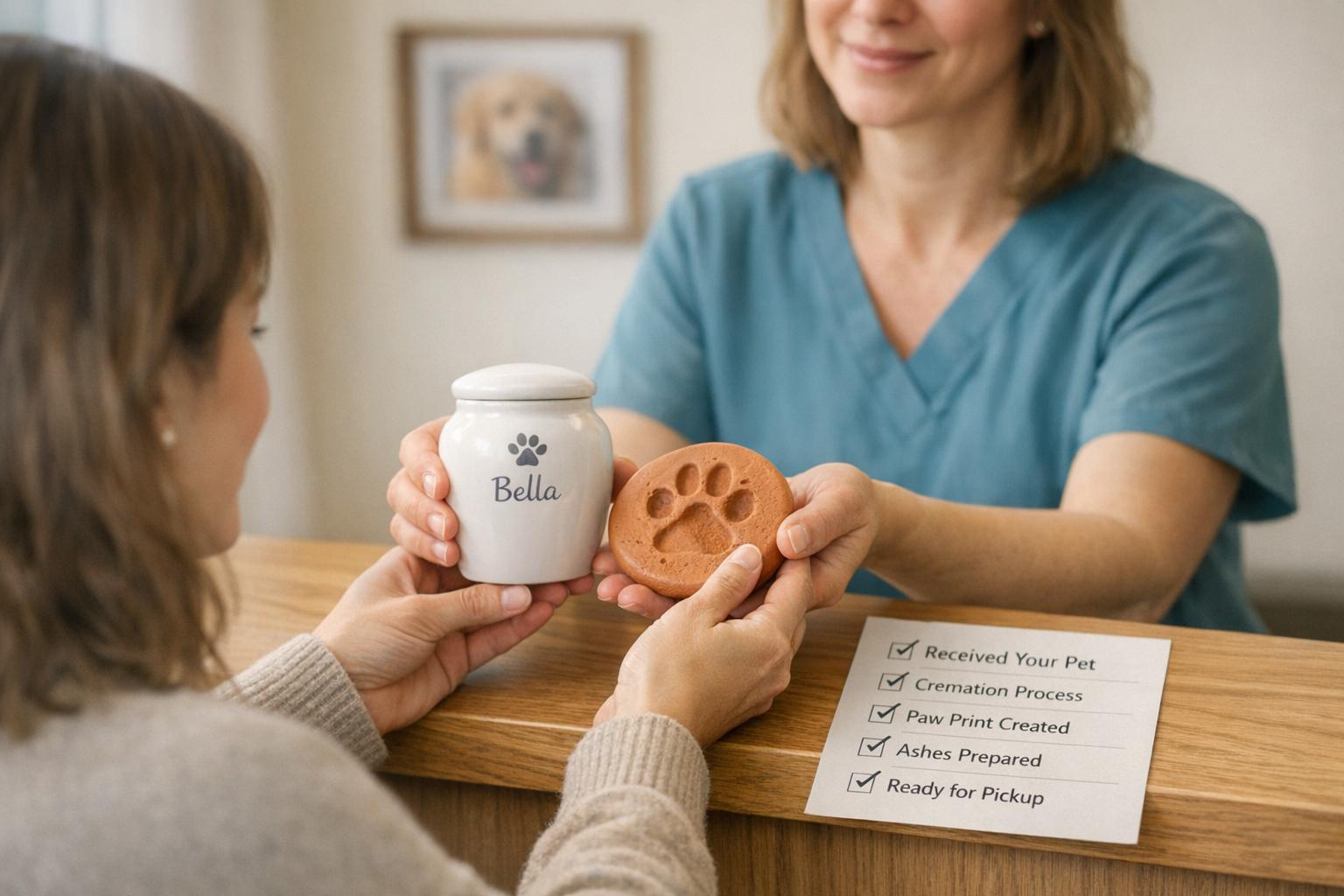
Losing a pet is heartbreaking, often as painful as losing a human loved one. Pets are family, offering unconditional love and companionship, which makes their absence deeply felt. Supporting someone grieving a pet means acknowledging their pain, avoiding dismissive comments, and offering thoughtful, personal condolences.
Key Takeaways:
- What to Say: Simple phrases like "I'm so sorry for your loss" or "Your bond with [Pet's Name] was so special" validate their grief.
- What Not to Say: Avoid minimizing their pain with comments like "It was just a pet" or "You can get another one."
- How to Help: Practical gestures, such as listening, helping with memorials, or offering aftercare assistance, can provide comfort.
Grief is personal and doesn’t follow a timeline. Your words and actions, no matter how small, can make a big difference in helping someone heal.

What to Say and Avoid When Someone Loses a Pet
How to Support Someone Who Has Lost a Pet | Guidance from MedVet Veterinary Social Workers
What to Say When Someone Loses a Pet
When someone loses a pet, your presence often means more than your words. Kaleel Sakakeeny, an Animal Chaplain and Pet-Loss Counselor, explains:
"Honestly, the less said, the better. The greatest comfort is to be there for your friend."
The most important thing is to acknowledge their grief and honor the special connection they had with their pet. Using the pet’s name in your message can make it feel more personal and heartfelt.
General Condolences
Simple, sincere phrases often resonate the most. A straightforward "I'm so sorry for your loss" can express genuine empathy and care. Other thoughtful options include:
- "I know how much they meant to you" - this validates the deep bond they shared.
- "Your bond with them was so special" - a reminder of the unique connection they had.
These messages convey that the pet was more than "just an animal" and an important part of their life. Adding a personal touch, like referencing shared memories, can make your words even more meaningful.
Personalized Messages
Messages that reflect specific memories or the pet’s personality can provide comfort. For instance, saying "You gave [Pet's name] such a happy life" may ease feelings of guilt many pet owners experience. Similarly, "I loved seeing your pictures and adventures together over the years" shows that their relationship brought joy to others as well.
Including the pet’s name or recalling a special moment highlights their significance. These personalized messages not only honor the pet’s life but also offer space for both grief and cherished memories.
What Not to Say
Even with the best intentions, certain phrases can unintentionally make someone feel as though their grief is being dismissed. Knowing what to avoid saying is just as important as finding the right words. Missteps in language can deepen feelings of isolation and make healing even harder.
Phrases That Minimize Grief
Some common expressions, though often meant to comfort, can cause more harm than good. For instance, saying "It was just a dog" or "It was just a pet" diminishes the deep emotional connection many people share with their animals. Michele Pich, a Veterinary Grief Counselor, points out that statements like "It's not like you lost a person" send a harmful message: "That's not only saying your grief is not valid but you're silly for feeling this way".
Comments like "You can always get another one" or "When are you getting a new pet?" treat pets as replaceable, overlooking the unique and irreplaceable bond that was shared. Similarly, remarks such as "You should be over it by now" or "Are you still grieving?" impose a timeline on grief, suggesting that the mourner's emotions are excessive or unwarranted. Grief is deeply personal and doesn't follow a set schedule.
Even phrases meant to offer comfort, like "At least they lived a long life" or "At least they aren't suffering anymore," can feel dismissive. These statements often focus on what the speaker thinks the mourner should feel rather than acknowledging their actual emotions.
Other comments, such as "Maybe you should have tried a different treatment" or "Did you see a specialist?" can unintentionally amplify guilt or regret, emotions that are already common in pet loss. Even well-meant phrases like "I know how you feel" can shift the focus away from the grieving person and onto the speaker's own experiences, which may not be helpful in the moment.
Finally, platitudes like "Everything happens for a reason" or "It was just their time" can feel dismissive, discouraging people from expressing their pain. Pet loss is often considered "disenfranchised grief" - a type of mourning that isn't fully recognized or supported by societal norms. This can be especially isolating when you consider that more than two-thirds of U.S. households include pets, and many Americans view them as family members.
Acknowledging the deep emotional bond people share with their pets is critical to offering genuine support. The words we choose can make a world of difference in showing compassion during such a difficult time. Thoughtful language helps validate their feelings and provides comfort when it's needed most.
sbb-itb-a4e988d
How to Support Someone Through Pet Loss
When someone loses a pet, actions often speak louder than words. Offering practical help during this time can provide comfort and show that you truly understand the depth of their loss.
Providing Emotional Support
The most meaningful thing you can do is simply listen. Let them share stories about their pet without interruption or judgment. Resist the urge to offer solutions or minimize their pain - just being there and actively listening can validate their feelings and help them process their emotions.
Grief can be unpredictable, so check in regularly. After losing a pet, people sometimes neglect basic self-care, like eating or running errands. Offering specific help - bringing over a meal, walking their other pets, or sitting with them while they reminisce - can be incredibly supportive.
"Just letting someone know that you are there if they need you is helpful." - Haylee Bergeland, Pet Health and Behavior Editor
Also, remember that surviving pets may grieve too. They might need extra attention or adjustments to their routine during this time.
In addition to emotional support, helping with memorial ideas can be a thoughtful way to honor the pet’s life.
Helping with Memorial Options
Creating a memorial for a pet can provide a sense of connection and help with the healing process. These tributes can be as simple or elaborate as the grieving person wishes.
Nature-based tributes, like planting a tree or flower bed in a favorite spot, can be a beautiful way to honor the pet. You could also help them create a shadow box with items like the pet’s collar or ID tags, or put together a photo collage. For pets nearing the end of their lives, arranging professional photography to capture their final days can create lasting memories.
Digital or charitable tributes can also keep the pet’s memory alive. Writing a heartfelt obituary for social media, creating a video journal, or dedicating a day to acts of kindness in the pet’s name are all thoughtful options. Some find comfort in donating to a shelter or sponsoring a memorial tile at a local rescue.
"Memorials and rituals aren't just for closure; they're for connection." - Honor Pet
While memorials provide emotional closure, addressing aftercare services can help with the more immediate needs.
Pet Aftercare Services
Deciding on aftercare options can be overwhelming during such an emotional time. Providing gentle guidance about available services can help pet owners make informed decisions. For example, private cremation ensures the return of the pet’s individual ashes, while communal cremation does not offer that option.
Animal Aftercare offers compassionate services like pet cremation, equine cremation, and at-home euthanasia, all with 24/7 support. Their 100% assurance tagging system ensures every pet is treated with care and respect.
If you’re looking to assist practically, you could help by picking up ashes from the vet, packing away the pet’s belongings when the owner is ready, organizing a memorial ceremony, or connecting them with pet loss support groups.
Combining thoughtful memorials with practical aftercare services can provide full-circle support during this difficult time.
Writing Sympathy Messages
When words seem inadequate, written messages can provide lasting comfort. Sending a text or card allows grieving pet owners the space to process your support on their own terms. These thoughtful gestures extend the compassionate strategies we've already explored.
Text Message Examples
Texts should be short, heartfelt, and include the pet's name to make them personal:
- "I'm so sorry for this tremendous loss. [Pet's Name] was truly one of a kind."
- "I'm heartbroken for you. [Pet's Name] was clearly so loved."
- "I may not have the right words, but I'm thinking of you and [Pet's Name]."
- "I heard about [Pet's Name] and I'm thinking of you. I know how much this hurts."
- "I keep thinking about [Pet's Name] curled up in their favorite spot. You gave them such a good life."
- "I'm here for whatever you need - text me anytime, even if it's just to say today feels terrible."
- "I just wanted to check in to see how you were doing. I'm here for you."
- "I'm so sorry you lost your best friend. What a special and gentle soul they were."
Not sure how to phrase it? Try the "Two-Sentence Rule": "I'm so sorry you're going through this. I know how much you loved [Pet's Name]". This simple approach acknowledges their grief without making the message overly complicated.
Sympathy Card Examples
Cards give you the chance to offer more personalized and in-depth messages of support:
- "Your bond was undeniable, and I know how much they meant to you. They were lucky to have had you love them so much."
- "I hope you can feel, even in the middle of the sadness, how much love surrounded [Pet's Name]. You gave them safety, gentleness, and a home. That's a beautiful life."
- "I keep thinking about the way [Pet's Name] looked at you with total trust. That bond doesn't disappear just because they're gone."
- "Losing such an important part of the family is never easy. It's okay to grieve and take your time. Please know I am holding you in my heart."
- "There will be days you won't be able to catch your breath, but please remember that you gave them the gift of unconditional love."
- "Losing a loyal and faithful friend isn't easy. If you need to talk or share memories of [Pet's Name], please call me. I would love to hear more about their life."
- "Smile at the memory of your beautiful pet, for they lit up this world with their joyous spirit. They could not have had a better life or a more loving owner."
- "Like soul mates, the bond you and [Pet's Name] shared was beyond special and will live on in your heart forever."
- "I'm so sorry to hear that you lost your precious little one. I hope in time that your memories heal you with enduring love."
- "Your pet had such a wonderful life with you. I'm so sorry you had to say goodbye, but I am so glad they were able to have such a beautiful life by your side."
Research highlights that for many, losing a pet can feel just as painful as - or even more painful than - losing a human loved one. Your written words not only validate these feelings but also provide a meaningful source of comfort. Paired with in-person support, these messages help show your care during this difficult time.
Conclusion
Losing a pet means parting with a beloved family member and constant source of comfort. The way you offer support during this time can deeply impact someone’s healing process, helping them feel less isolated in their grief.
The loss of a pet can feel especially lonely because society often underestimates the emotional weight of this bond. Offering support means recognizing the depth of that connection and stepping in with meaningful gestures. Whether it’s sending a heartfelt text, writing a thoughtful card, or simply sitting in quiet companionship, your presence can provide more comfort than any carefully chosen words.
Grief doesn’t follow a set timeline, and your support shouldn’t either. Reaching out weeks or even months later - especially on anniversaries or other significant dates - shows that you understand the enduring nature of their loss. Research suggests that social support from loved ones can help reduce the risk of post-bereavement depression after losing a pet.
For the practical side of aftercare, services like Animal Aftercare can ease some of the logistical burdens. Their 24/7 nationwide pet cremation and aftercare services provide a dignified way to honor a pet’s memory, allowing grieving owners to focus on their emotions while compassionate professionals handle the rest. Your small, thoughtful actions and steady presence can help soothe the lasting ache of pet loss.
FAQs
How can I comfort someone without saying too much?
When comforting someone, it’s important to recognize their grief and let them know you care. A heartfelt phrase like "I'm so sorry for your loss" or "I'm here for you" can mean a lot. Avoid using clichés or trying to solve their pain - it’s not about fixing things. Instead, focus on listening with care, offering quiet support, or simply being there. Sometimes, your presence or a kind gesture, like sitting with them in silence, speaks louder than words ever could.
What should I do if I already said the wrong thing?
If you’ve said something inappropriate, own up to it and offer a heartfelt apology. Show the person that you genuinely care by listening attentively and focusing on their feelings. Resist the urge to defend or explain your words - what’s most important is demonstrating compassion and being present for them in their time of grief.
When is it okay to ask about aftercare or cremation?
When discussing aftercare or cremation, timing is key. First, offer your heartfelt condolences and give the person space to process their emotions. Only bring up these topics when they seem ready and comfortable to talk about their pet’s passing. Approach the conversation with gentleness and respect for their feelings.