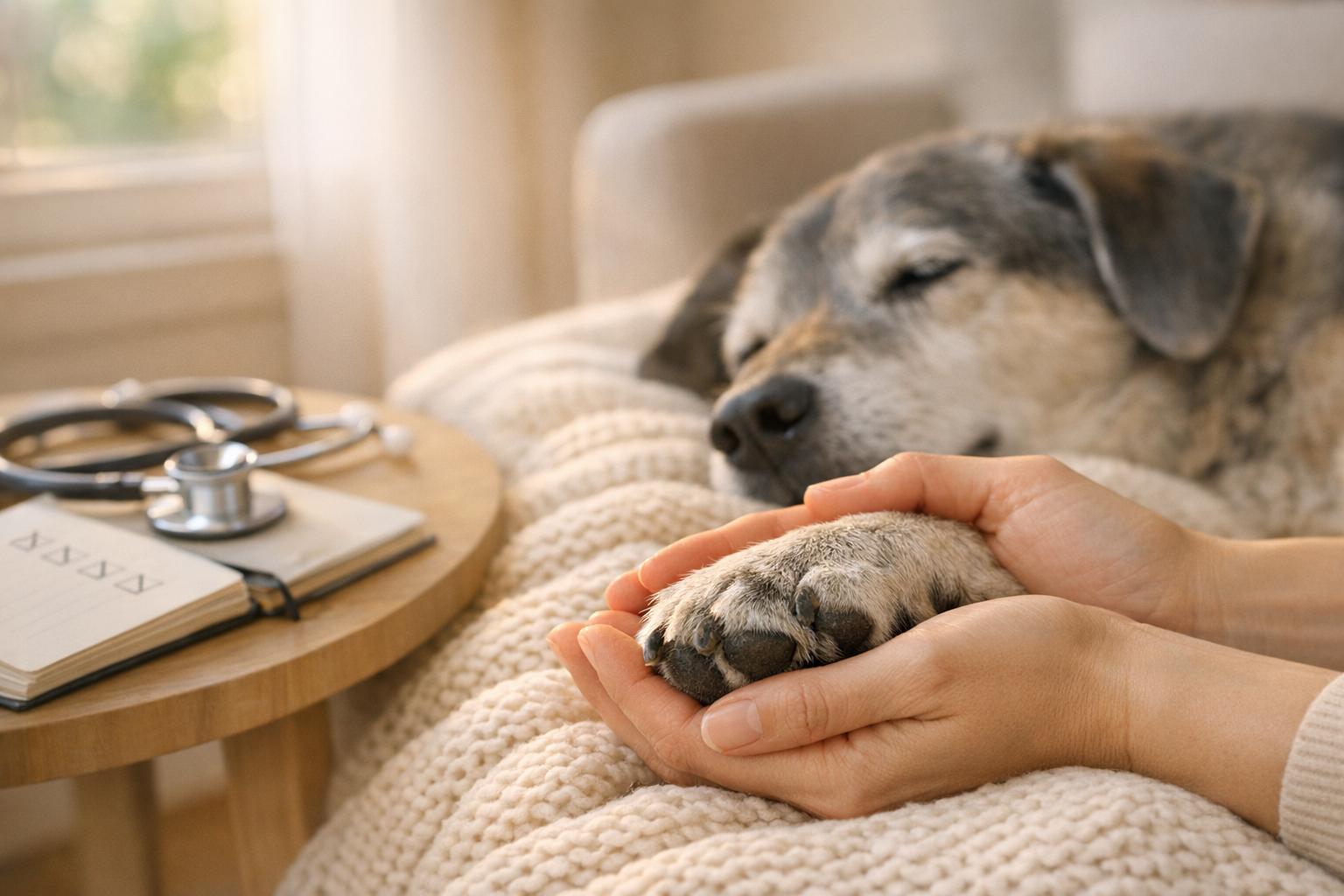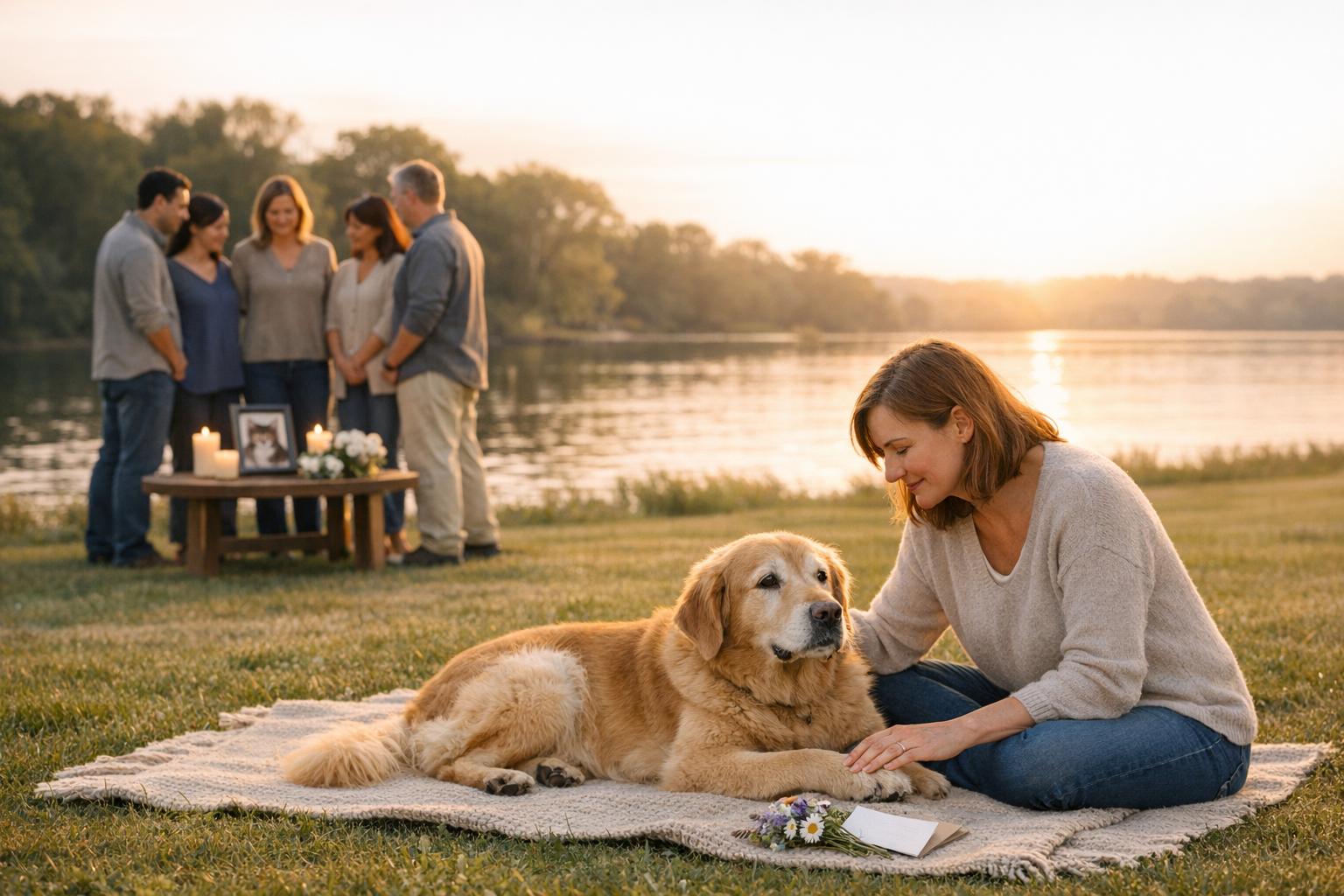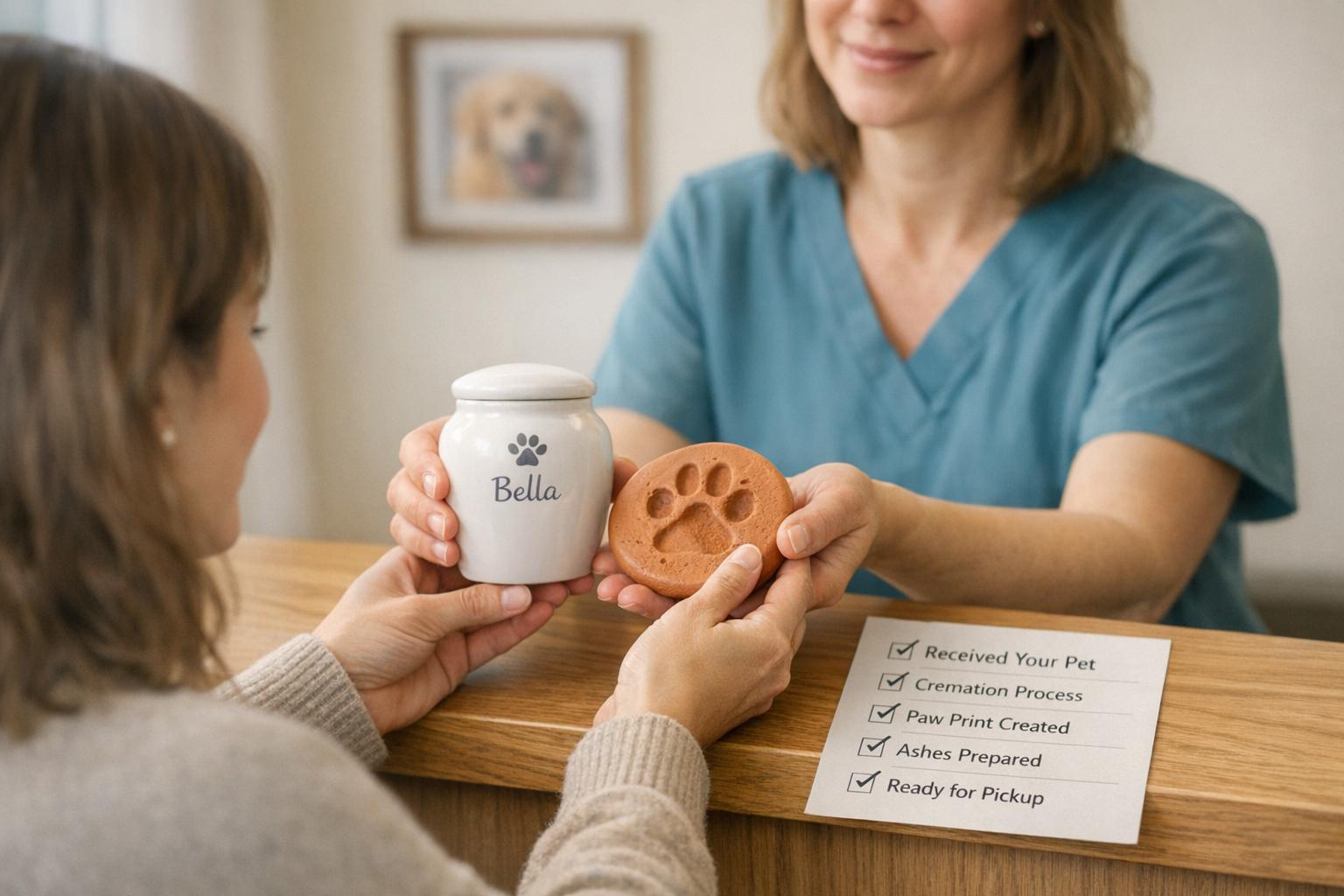
When a pet passes away, their owners expect care, respect, and professionalism from aftercare services. However, many families face issues that add stress to an already emotional time. Here are the key complaints and solutions:
- Poor Communication: Families often feel uninformed about procedures, costs, or timelines. Lack of clarity about cremation or euthanasia processes leaves them anxious and confused.
- Lack of Empathy: Many pet owners report feeling dismissed or unsupported during their grief. Insensitive language and rushed interactions worsen the experience.
- Delays and Errors: Mishandling remains, mislabeled ashes, or long waits for keepsakes erode trust. Cases of negligence, like remains being mixed or lost, highlight major flaws in the system.
- Unclear Cremation Practices: Terms like "private" and "individual" are inconsistently defined, making it hard for families to verify they’re receiving their pet’s ashes.
- Keepsake Problems: Missing or poor-quality memorial items like paw prints or fur clippings disappoint grieving families.
Solutions:
- Transparent Communication: Provide written materials about procedures, costs, and timelines. Discuss aftercare options early, not during a crisis.
- Empathy Training: Staff should use the pet’s name, speak gently, and create a calm environment for grieving families.
- Reliable Processes: Use non-combustible ID tags and tracking systems to ensure remains are handled properly. Offer real-time updates and clear documentation.
- Clear Cremation Definitions: Providers should explain their practices and provide chain-of-custody summaries.
- Quality Keepsakes: Use durable materials, offer digital proofs for custom items, and set clear timelines for delivery.
Families deserve respect and transparency during this difficult time. By addressing these issues, aftercare providers can ensure a compassionate and reliable experience.

Pet Aftercare Service Statistics: Owner Concerns and Preferences
He Lied About Cremating Their Pets: Funeral Home Scandal Exposed
Communication Problems in Pet Aftercare Services
At the heart of many aftercare complaints lies one key issue: poor communication. Dr. Kathleen Cooney, Founder of the Companion Animal Euthanasia Training Academy, explains:
"Most complaints about pet euthanasia stem not from the procedure itself, but from communication gaps".
When families aren't given clear explanations about what to expect, they are often left feeling confused, anxious, or even traumatized. These gaps in communication can turn an already emotional experience into something far more distressing.
Unclear Explanations of Cremation and Euthanasia Procedures
One of the most common issues is the lack of preparation for what happens during euthanasia. Many pet owners are unaware of normal physical reactions, which can seem alarming without prior explanation. Dr. Cooney emphasizes:
"Clients become upset when they lack a clear explanation of procedures and perceive distress in their pet".
This confusion doesn't stop at euthanasia. Many providers fail to explain the process that follows - how the pet’s remains are handled and tracked during cremation. Without clear details about ID tags, documentation, and handling protocols, families are left with unsettling doubts. It's no wonder that 53% of pet owners worry their pet's remains might be mislabeled or lost. This uncertainty only adds to their emotional burden.
Lack of Clear Information About Costs and Options
Unclear pricing is another major issue that erodes trust. Families already dealing with grief shouldn’t have to guess about costs or face unexpected fees. But the problem goes beyond money. While 86% of pet owners look to their veterinary team for guidance on end-of-life decisions, only 39% feel their veterinarian is the primary resource for aftercare information. This disconnect suggests that many families aren’t getting the support they need.
Timing is also critical. Discussing options at the height of a crisis forces families to make difficult decisions while overwhelmed. Yet, 28% of pet owners would prefer to finalize aftercare arrangements well in advance. Unfortunately, these conversations rarely happen during routine senior pet exams or when a terminal diagnosis is made, leaving families unprepared when the time comes.
Addressing these communication gaps can significantly ease the burden on grieving families and help rebuild trust.
How to Improve Communication
Starting the conversation early is key. Aftercare discussions should happen during wellness exams for senior pets or when a terminal diagnosis is given. Research shows that 75% of pet owners need 20 minutes or less for these conversations, and over half (55.2%) prefer to have written materials they can review at home. This makes it easy to integrate these discussions into existing appointments.
Providing written materials is a practical way to improve clarity. These materials should cover essential details, such as itemized costs, service options (like private versus communal cremation), expected timelines for returning remains, and a clear explanation of tracking systems. For example, Animal Aftercare addresses these concerns with a 100% assurance tagging system and transparent documentation that tracks every step of the cremation process.
Additionally, grief doesn’t follow a 9-to-5 schedule. Families often need support outside of regular business hours. Animal Aftercare meets this need with nationwide, 24/7 availability, ensuring families can get answers when they need them most. This kind of immediate support helps reduce anxiety and provides much-needed peace of mind during a difficult time.
Concerns About Empathy and Respect
Clear communication matters, but when families are dealing with the loss of a beloved pet, empathy and respect become just as important. It's not enough to handle the technical aspects; families need to feel understood and supported during such an emotional time.
Lack of Emotional Support
When empathy is missing, the effects can be profound. Around 40% of pet owners never return to the veterinary hospital where their pet passed away, often because they felt the staff lacked compassion during the process. Clinical language, rushed interactions, and a failure to acknowledge grief only make the situation more painful.
Dr. Mary Gardner, Co-founder of Lap of Love, emphasizes this point perfectly:
"It's not just handling the body, it's handling the whole experience".
Small, thoughtful actions can make a big difference. Speaking in a gentle tone, moving sensitive conversations to a private area, and avoiding loud intercom announcements are simple ways to show care. Providing emotional support isn't just about words - it's about creating an environment where families feel their grief is respected.
Respect for Pets and Their Remains
The way a pet's remains are handled speaks volumes about a provider's values. For example, 58% of pet owners are deeply concerned about how their pet is treated after death. Impersonal terms like "body" or "ashes" can feel cold and dismissive, while respectful language and actions demonstrate care.
Storage practices are another sensitive area. Sixty-four percent of pet owners find it unacceptable to store remains in rubbish bags, while 66.1% prefer blankets or shrouds. These details might seem small, but they reflect whether a provider sees a pet as a cherished family member or just another case. Honoring a pet's memory through respectful handling helps reinforce trust and compassion.
How to Improve Empathy and Professionalism
Creating a "tender culture" starts with intentional staff training and clear protocols. Staff should be trained in grief-sensitive communication, maintain a calm environment for grieving families, use the pet's name often, and handle remains with care rather than clinical detachment.
Animal Aftercare sets an example by prioritizing compassion. Their 100% assurance tagging system ensures every pet is treated with dignity, and their 24/7 availability provides families with emotional support whenever it's needed most.
Additionally, 84% of pet owners believe it's important for their veterinary team to personally visit the aftercare facility they recommend. This step ensures that facilities are clean and respectful, helping to rebuild trust during a difficult time. Combining these efforts with clear, empathetic communication can make a world of difference for grieving families.
Problems with Timeliness and Reliability
Grieving the loss of a pet is hard enough, but delays or mistakes in handling their remains can make it even worse. For instance, 63% of pet owners worry about how long it takes to lay their pet to rest, while 53% fear their pet’s remains could be mislabeled or lost. These concerns are not baseless - real incidents have shaken trust in the process.
Delays in Returning Ashes or Keepsakes
Unexpected delays can occur for a variety of reasons. Utility shut-offs, equipment breakdowns, or other disruptions can push cremations back by weeks. Smaller operations are especially vulnerable if the owner faces a personal crisis, leading to overwhelming backlogs.
One striking example happened in September 2025 when Angel Paws Pet Cremation in San Marcos, California, shut down unexpectedly due to utility shut-offs and an eviction lawsuit. Over 100 pets were left in non-functioning freezers for weeks. Families who received ashes later discovered they were inaccurate, with the actual remains uncovered during an investigation in October 2025.
Mishandling or Loss of Pet Remains
Mistakes are painful enough, but deceptive practices take the heartbreak to another level. In April 2025, Patrick Vereb, the owner of Eternity Pet Memorial in Western Pennsylvania, was charged with stealing roughly $660,000. Investigators found that between 2021 and 2024, he had been dumping smaller pets in landfills while charging families for private cremations. More than 6,500 families were given fake ashes or remains of unknown origin.
These troubling incidents point to a glaring issue: facilities without strict tracking systems - like physical tags, digital logs, and clear documentation - are at a much higher risk for errors. With the U.S. cremation rate expected to hit 63.4% in 2025, up from 61.8% in 2024, the growing demand makes robust tracking systems even more critical. Without them, mistakes and delays are almost inevitable.
How to Ensure Reliable and Timely Services
The first step toward reliable service is immediate identification. Using non-combustible metal ID tags at intake ensures that each pet is tracked throughout the process. For example, Animal Aftercare employs a 100% assurance tagging system, which guarantees that every pet is individually monitored from start to finish, eliminating the risk of mix-ups.
Transparency is equally important. Donna Shugart-Bethune, Executive Director of the International Association of Pet Cemeteries and Crematories, emphasizes this point:
"Pet parents should have a chance to view their animal before cremation and the owner should give full disclosure of the pet ID and tracking process".
Families should also verify that providers handle all services in-house, rather than outsourcing to unverified third parties. Animal Aftercare, for instance, offers 24/7 availability and personal remains return services, ensuring that families receive their pet’s ashes promptly and with full accountability. These measures not only ensure timely service but also help rebuild trust during an emotionally difficult time.
sbb-itb-a4e988d
Doubts About Individual Cremation Practices
Concerns Over Mass Cremations or Mislabeling
When you choose a private cremation for your pet, you naturally expect their remains to be handled individually. But without clear evidence, it's reasonable to question whether you're truly receiving only your pet's ashes - or if they're mixed with others.
These concerns are valid. In the U.S., only three states currently enforce legal standards for pet cremation, leaving industry accreditation as the main form of oversight. Adding to the confusion, terms like "private", "individual", and "partitioned" are not uniformly defined across the industry. What one crematorium considers "individual" may have an entirely different meaning at another facility.
| Service Type | Process Description | Ash Return |
|---|---|---|
| Private Cremation | Only one pet is placed in the cremation chamber. | Individual ashes returned to owner. |
| Individual / Partitioned | Multiple pets are in the chamber but separated by physical barriers. | Individual ashes returned to owner. |
| Communal / Group | Multiple pets are cremated together without separation. | Ashes are mixed; no return to owner. |
To ensure a truly private cremation, you need clear verification methods.
How to Verify Individual Cremation
Proper documentation and tracking are critical. Reputable providers use a non-combustible metal ID tag that stays with your pet throughout the process. They also document each step with timestamps and provide a chain-of-custody summary. This tag should match the paperwork you receive when the ashes are returned.
Ask specific questions to clarify the process: How does the provider define "private"? What documentation supports their claim? Can they share a chain-of-custody summary that includes timestamps for intake, cremation, and release? Funeral.com emphasizes the importance of transparency in these situations:
"Trust should be earned through process... The goal is pet cremation transparency - to understand what will happen, how identification is maintained, what you will receive back, and what proof exists at each step".
Some providers, such as Animal Aftercare, go a step further by offering a 100% assurance tagging system and even witnessed cremation options for added peace of mind. Additionally, accreditation from organizations like the International Association of Pet Cemeteries and Crematories (IAOPCC) can offer reassurance, as they evaluate facilities using more than 400 detailed industry standards.
If a provider struggles to clearly explain their identification process, consider it a red flag. Transparent practices not only address common concerns but also help rebuild trust in aftercare services.
Problems with Keepsakes and Memorial Products
Poor Quality or Missing Keepsakes
Losing a pet is heartbreaking, and memorial keepsakes like paw prints, fur clippings, or cremation jewelry can offer a small but meaningful way to remember them. Unfortunately, these keepsakes don’t always meet expectations. Dr. Kathleen Cooney, Founder and Senior Director of Education at CAETA, points out:
"Sometimes, however, there are issues with memorial products like paw prints or fur clippings".
These issues often stem from coordination problems. For example, collecting paw prints or fur clippings requires careful timing and collaboration between veterinarians and aftercare providers during the initial appointment. When this process breaks down, keepsakes can go missing entirely.
Quality problems are another common issue. Materials like resin, often used in memorial jewelry, can yellow over time or scratch easily. Some cremation jewelry isn’t waterproof, which can lead to damage with regular wear. Miscommunication about production timelines or the absence of digital proofs before creating customized items can leave families feeling let down, especially when lead times range from 2 to over 12 weeks.
The underlying problem is usually not ill intent but process failures. Providers that rely on informal systems instead of structured, repeatable processes are more likely to lose keepsakes or deliver subpar products. To avoid these outcomes, it’s essential for providers to adopt strict quality controls and verification systems.
How to Provide Reliable Keepsake Services
To ensure keepsakes meet families’ expectations, providers need to prioritize quality and transparency. Durable materials like stainless steel or titanium are ideal for jewelry meant for daily wear, as they resist tarnishing and damage. For custom items, offering digital proofs before production can help set clear expectations. Some urn manufacturers even provide lifetime replacement guarantees, adding an extra layer of assurance.
Clear timelines are equally important. For instance, ashes are typically returned within 7–14 business days, while more specialized items like ceramic paw prints may take 4–6 weeks to complete. Setting these expectations upfront can alleviate some of the uncertainty families feel during their grieving process.
The most reliable providers implement step-by-step verification systems. This includes written logs for every handoff and a detailed chain of custody with timestamps. As Funeral.com aptly states:
"Trust is not a luxury add-on in grief. It is part of the service".
Companies like Animal Aftercare address these concerns by offering high-quality memorial products paired with thorough documentation and tracking. Their 24/7 nationwide service ensures that every keepsake is handled with care and respect, reflecting their commitment to honoring pets and their families during such an emotional time.
Conclusion
The challenges in pet aftercare highlight a pressing need for better systems and clearer communication. Many complaints stem from breakdowns in communication, procedural missteps, and a lack of transparency, leaving grieving families feeling unsupported and uncertain.
Consider this: 40% of pet owners choose not to return to the veterinary hospital where their pet passed away, and 53% worry about the mislabeling or loss of their pet’s remains. These numbers underscore the importance of trust, which can only be built through verifiable systems. Solutions like a strict chain-of-custody using non-combustible ID tags, real-time updates during procedures, and clear cost explanations can transform anxiety into confidence. As Dr. Kathleen Cooney explains:
"By improving transparency, empathy, and follow-up care, veterinarians and staff can significantly reduce complaints and help pet owners remember their pet's final moments as peaceful and compassionate".
Ultimately, trust is earned through professionalism, respect, and consistent care. With 97% of U.S. pet owners viewing their pets as family members, the emotional stakes couldn’t be higher. Providers who embrace structured processes - from pre-planning options to meaningful keepsakes - can create experiences that truly honor the bond between pets and their families.
FAQs
How can I confirm I’m getting my pet’s ashes back?
To be confident you're receiving your pet's ashes, check if the cremation provider uses a dependable identification system, like a unique metal tag that remains with your pet throughout the process. Also, ensure the ashes are properly labeled and matched with your pet's records for accuracy and reassurance.
What should I ask about pricing to avoid surprise fees?
When discussing costs, it's a good idea to request an itemized price list. This will give you a clear breakdown of the charges. Additionally, ask about any potential extra fees that might not be immediately obvious. These could include things like transportation costs, required permits, or third-party charges. Taking the time to clarify everything upfront can save you from surprises later on.
What are red flags that an aftercare provider isn’t trustworthy?
When dealing with cremation services, it's important to watch out for certain warning signs. These can include receiving ashes that seem mixed or incorrect, missing or incomplete documentation, or a lack of a clear chain of custody. Additionally, reports of unethical practices - such as cremation fraud or improper disposal of remains - are major red flags. Providers with a history of deceptive actions or who fail to maintain transparency in their processes should be approached with caution.