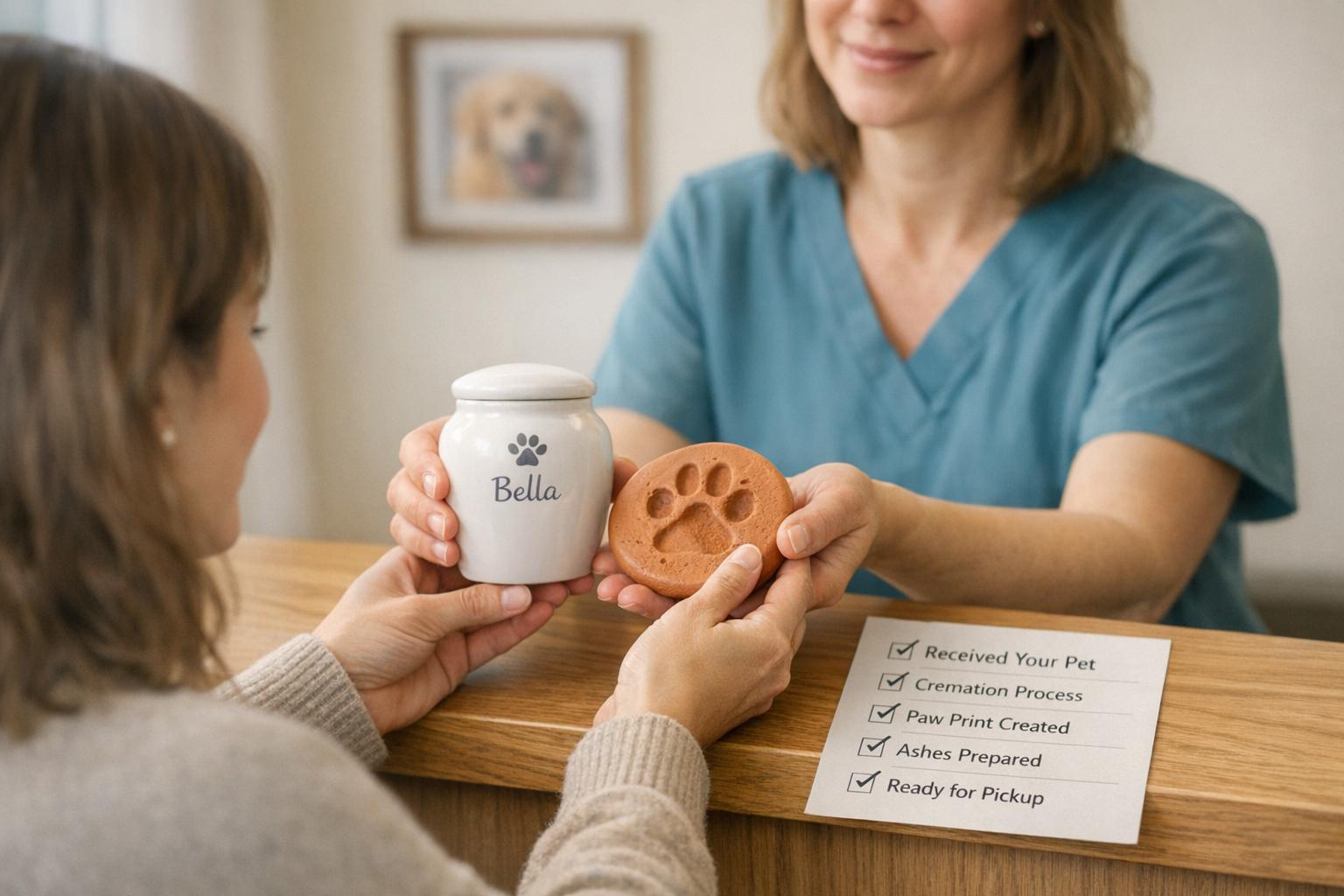
Deciding when to say goodbye to a pet is one of the hardest choices you'll face. This guide helps you recognize the signs of declining health, assess your pet's quality of life, and plan a peaceful farewell. Key points include:
- Physical signs: Breathing difficulties, loss of appetite, mobility issues, and pain.
- Behavioral changes: Social withdrawal, irritability, restlessness, or disorientation.
- Quality of life tools: The HHHHHMM Scale helps evaluate your pet's well-being objectively.
- Euthanasia vs. ongoing care: Weighing pain relief, emotional connection, and practical considerations.
- Planning ahead: Options like at-home euthanasia or a veterinary clinic and aftercare services make the process less stressful.
The goal is to prevent suffering and provide a compassionate, peaceful goodbye when the time comes.
When to Euthanize a Dog? 5 Signs It's Time (Vet Advice)💔
sbb-itb-a4e988d
Physical Signs That It May Be Time
Physical changes can often provide undeniable clues that your pet's comfort is slipping into distress. While behavioral shifts are important, paying attention to your pet's body can reveal much about their well-being.
Physical Symptoms to Monitor
One of the most urgent signs is breathing difficulties. If your pet is struggling to breathe, panting excessively, or seems unusually still due to labored breathing, it’s a clear indication of severe distress.
Another red flag is a loss of appetite or changes in eating habits. If your pet refuses food or becomes increasingly selective, it could point to underlying pain or discomfort. Similarly, shifts in drinking habits - whether drinking excessively or avoiding water altogether - can signal serious health concerns.
Mobility issues are another key indicator. If your pet struggles to perform basic tasks like getting up to eat or go outside, their quality of life may be significantly diminished. Additional signs include the development of pressure sores from staying in one position too long or incontinence, where they can no longer move to avoid soiling themselves.
Identifying Pain and Suffering
Pain isn’t always easy to spot. Many pets instinctively hide their discomfort, but there are subtle signs to watch for. Look for behaviors like panting, pacing, whining, or crying - especially at night when hormonal changes can heighten pain and anxiety. Conversely, a pet that becomes unusually still or refuses to move may be trying to avoid aggravating their discomfort.
"It's better to do it one day too early than one day too late." - Dr. Jerry Klein, Chief Veterinarian, AKC
If you notice these symptoms, it’s crucial to consult your veterinarian. They can help you determine whether the issues are manageable or if your pet’s suffering has reached a point where treatment may only prolong their distress, or if euthanasia is a painless option to end it. Observing these physical signs, alongside behavioral changes, will give you a clearer picture of your pet’s condition. If you decide it is time, you may want to prepare for pet euthanasia at home to ensure their final moments are as peaceful as possible.
Behavioral and Emotional Changes to Watch For
Paying attention to behavioral and emotional changes in your pet can provide key insights into their quality of life. These changes often start subtly but tend to become more noticeable as discomfort or distress increases.
Changes in Behavior
One of the clearest signs of distress is social withdrawal. If your pet, once eager to greet you at the door or interact with the family, begins hiding in unusual places or avoiding contact altogether, it could indicate significant pain or anxiety. This shift often reflects chronic discomfort.
Another key behavioral change is irritability. A pet that’s usually gentle but suddenly becomes snappy or impatient may be experiencing severe distress. On the other hand, a normally energetic pet that becomes detached and lethargic might be overwhelmed by discomfort. Signs of restlessness, such as pacing, panting, whining, or crying, are also common. These behaviors often intensify at night, influenced by hormonal changes and an instinctual fear of vulnerability.
Disorientation is another warning sign. Confusion in familiar environments, like getting lost in their own home, points to declining cognitive function. A loss of interest in favorite activities, toys, or even food can signal that your pet is no longer finding joy in life.
These behavioral changes, when combined with physical symptoms, provide a more complete picture of your pet’s well-being.
Evaluating Emotional Well-being
Beyond physical health, emotional well-being plays a vital role in assessing quality of life. Sustained emotional changes, such as a lack of joy or engagement, are strong indicators of distress. Unlike humans, pets live entirely in the present, as Lap of Love explains:
"Animals live in the moment so every day needs to be good; they cannot hope that tomorrow will be better. For them, it's all about 'how I feel now'".
It’s important not to rely solely on appetite as a measure of well-being. Many pets will continue eating even when they’re in severe pain, disoriented, or emotionally withdrawn. Instead, focus on whether your pet still seeks interaction and displays signs of happiness or contentment. The ASPCA provides this crucial guidance:
"If you observe that moments of discomfort outweigh his capacity to enjoy life, it is time to euthanize, even if your pet still experiences pleasure in eating or socializing".
Anxiety can be just as debilitating as physical pain - sometimes even worse. Dr. Dani McVety, Founder of Lap of Love, highlights this:
"Anxiety can be worse than pain to animals".
This emotional suffering often creates a harmful cycle, where pain increases anxiety, and anxiety, in turn, heightens the perception of pain. Monitoring these changes over time can help you determine whether your pet’s distress has become persistent rather than temporary.
Quality of Life Assessment Tools and Methods

HHHHHMM Quality of Life Scale for Pets: 7 Key Factors to Assess
Making decisions about a pet's end-of-life care can be incredibly emotional and overwhelming. Structured tools, like the HHHHHMM Scale (also known as the H5M2 Scale), are designed to bring clarity by providing an objective way to evaluate your pet's well-being during these difficult times.
The HHHHHMM Scale
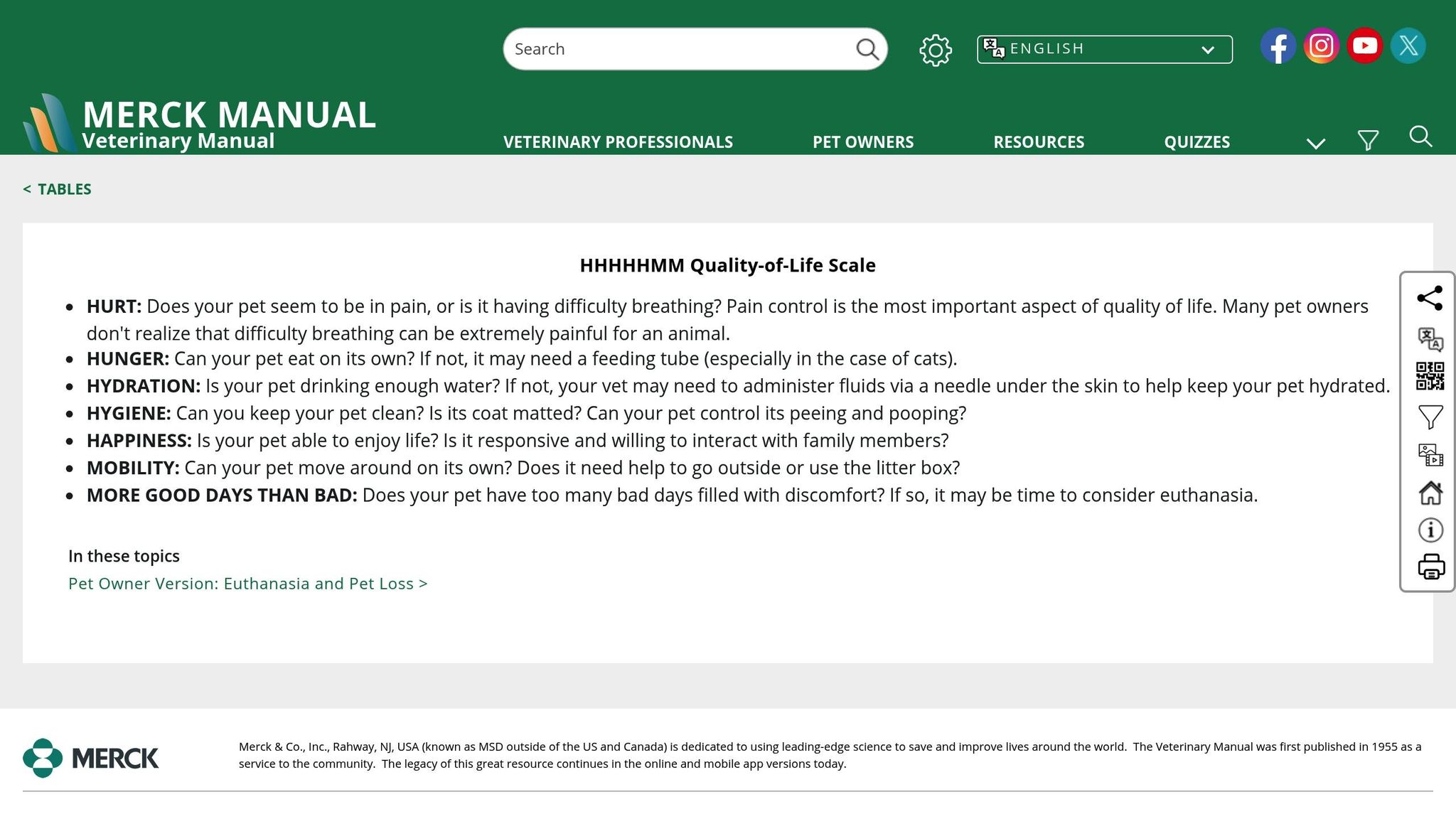
Created by veterinary oncologist Dr. Alice Villalobos, this scale focuses on seven key aspects of your pet's daily life: Hurt, Hunger, Hydration, Hygiene, Happiness, Mobility, and More good days than bad. Each category is scored from 0 (worst) to 10 (ideal), with a total score of 70. A score above 35 suggests that your pet’s quality of life is still acceptable for hospice or "pawspice" care. This scoring system helps take some of the guesswork out of a deeply emotional process.
For Hurt, evaluate whether pain medications are effectively managing your pet's discomfort or if breathing difficulties are present. Hunger and Hydration involve assessing whether your pet can eat and drink on their own or needs assistance, such as feeding tubes or subcutaneous fluids. Hygiene considers cleanliness, bladder and bowel control, and any pressure sores. Happiness looks at your pet's enjoyment of life, responsiveness to family, and interest in their surroundings. Mobility examines whether your pet can move independently or requires significant help - an especially crucial factor for larger breeds.
Tracking Good Days vs. Bad Days
Beyond the scale, keeping a record of your pet's "good" and "bad" days can provide a clearer picture over time. Use a journal or calendar to note how your pet seems each day. If bad days start to outweigh good ones, it may indicate that your pet's quality of life is declining. Pets live in the moment - they aren't capable of hoping tomorrow will be better. Every day should offer some level of comfort and joy.
Comparison: Continuing Treatment vs. Euthanasia
Choosing between ongoing care and euthanasia is never easy, but understanding the realities of each option can help guide your decision. Here’s a breakdown:
| Factor | Continuing Treatment / Hospice | Euthanasia |
|---|---|---|
| Pain Management | Requires ongoing medications and possibly feeding tubes or fluids | Provides immediate and permanent relief from pain |
| Emotional Bond | Allows for continued interaction and closeness as long as possible | Chosen when the pet no longer responds to or enjoys interaction |
| Mobility Considerations | May require aids like ramps or carts; can be physically demanding for caregivers, especially with large breeds | Prevents distress caused by total immobility |
| Financial & Time Investment | Involves ongoing costs for treatments and intensive care | Typically a one-time expense, offering a peaceful and planned experience |
| Prognosis & Goals | Focuses on slowing decline and maintaining comfort | Prevents prolonged suffering before a crisis occurs |
| Risk of Crisis | High risk of emergencies that may require stressful, last-minute decisions | Removes the possibility of a traumatic emergency |
"The decision for euthanasia needs to be made if the pet is enduring prolonged, futile suffering." - Dr. Alice Villalobos
The goal of euthanasia is not to respond to suffering that has already occurred but to prevent it from becoming unmanageable. Many pet owners who have faced this decision before often choose euthanasia earlier in future situations, having seen the toll that delaying it can take. These tools and methods offer guidance, helping you to make a compassionate and informed decision and prepare to put your dog down with peace of mind.
Planning a Compassionate Goodbye with Animal Aftercare

Working with Your Veterinarian
Your veterinarian can be an invaluable guide when it comes to assessing your pet's quality of life and determining the right time for euthanasia. A quality-of-life consultation is a good starting point to discuss critical signs and timing. Ask specific questions like which disease symptoms signal it's time, how to monitor daily well-being, and what the euthanasia process entails. Tools such as the HHHHHMM scale or a daily journal can help you track your pet's condition and share meaningful trends with your vet. If your veterinarian doesn’t provide house-call services, you might want to explore at-home euthanasia options for a more peaceful experience.
At-Home Euthanasia Services
Choosing at-home euthanasia can eliminate the stress of transporting your pet to a clinic, allowing them to stay in a familiar and comforting environment. This option not only helps your pet feel more at ease but also provides your family with the privacy to say goodbye in your own way. You might also consider including other family members or even household pets during this time, as their presence can aid in the grieving and closure process. Typically, an at-home quality-of-life consultation, which includes reviewing your pet's medical history and a physical exam, costs around $230.
Animal Aftercare Services
Animal Aftercare offers support to pet owners by providing compassionate and reliable end-of-life services, available 24/7. Their offerings include pet euthanasia and specialized cremation options for pets and horses. To ensure accuracy, they use a strict identification system to track each pet individually throughout the process, giving you peace of mind that the remains you receive are your pet’s. You can choose between private (individual) cremation or communal cremation, depending on your preference. Planning these arrangements in advance can help ease the emotional burden when the time comes. Animal Aftercare operates nationwide, offering home collection services and personally returning your pet’s remains with care and precision.
Conclusion: Making a Loving and Informed Decision
Key Takeaways
Deciding when to say goodbye to a beloved pet is one of the hardest choices you'll ever face. Recognizing the signs of declining health can guide you to act with care and compassion, helping you avoid feelings of regret later. Pay close attention to physical symptoms like labored breathing, loss of appetite, or difficulty moving, as well as behavioral changes such as restlessness, whining, or nighttime anxiety. These behaviors can be just as troubling as physical pain. Tools like the HHHHHMM Scale or a daily tracker can provide an objective way to measure your pet's quality of life, helping you balance their good days against the bad. Interestingly, experienced pet owners often opt for euthanasia earlier, while first-time owners may wait too long, sometimes regretting the delay afterward.
Planning for at-home euthanasia or aftercare in advance can help ease the stress of the moment, allowing you to focus entirely on your pet's comfort and peace. These steps can also help honor your pet's legacy in a meaningful way.
Final Thoughts on Compassionate Care
Euthanasia, which translates to "good death", is ultimately a profound act of kindness. When done at the right time, it ensures your pet leaves this world peacefully, surrounded by love, and without enduring unnecessary suffering. The goal is to prevent suffering before it becomes unbearable, rather than waiting until your pet has reached the most painful stages of their illness.
Animal Aftercare recognizes how heavy this decision is and offers 24/7 nationwide support to guide you through the process with care and understanding. Their services, including at-home euthanasia, pet cremation vs burial, and equine cremation, are designed to honor your pet's memory while providing you with the closure and support you need. Choosing to let your pet go with grace is a loving decision that allows them to pass surrounded by the people who cherished them most.
FAQs
How do I know it’s time if my pet still eats?
Pets eating alone can sometimes hint that they’re not entirely comfortable or enjoying a good quality of life. If you notice signs like ongoing pain, difficulty moving, or a lack of interest in daily activities, it might be time to take a closer look at their well-being. Tools like quality-of-life scales, combined with guidance from your veterinarian, can help you evaluate their physical and emotional health before facing this tough decision.
What HHHHHMM score means it’s time to let go?
When a pet’s HHHHHMM score falls to 4 or below, it often signals a serious decline in their quality of life and a rise in suffering. At this point, it may be time to consider euthanasia as a compassionate option. Always consult with your veterinarian to ensure you make the most informed and caring decision for your pet’s comfort and well-being.
What happens during at-home euthanasia?
During at-home euthanasia, a veterinarian comes to your home to provide medication that allows your pet to pass away peacefully. This approach ensures your pet remains in a familiar and comforting environment, minimizing stress. It’s a compassionate way to honor your pet’s dignity while offering support during an emotional moment.