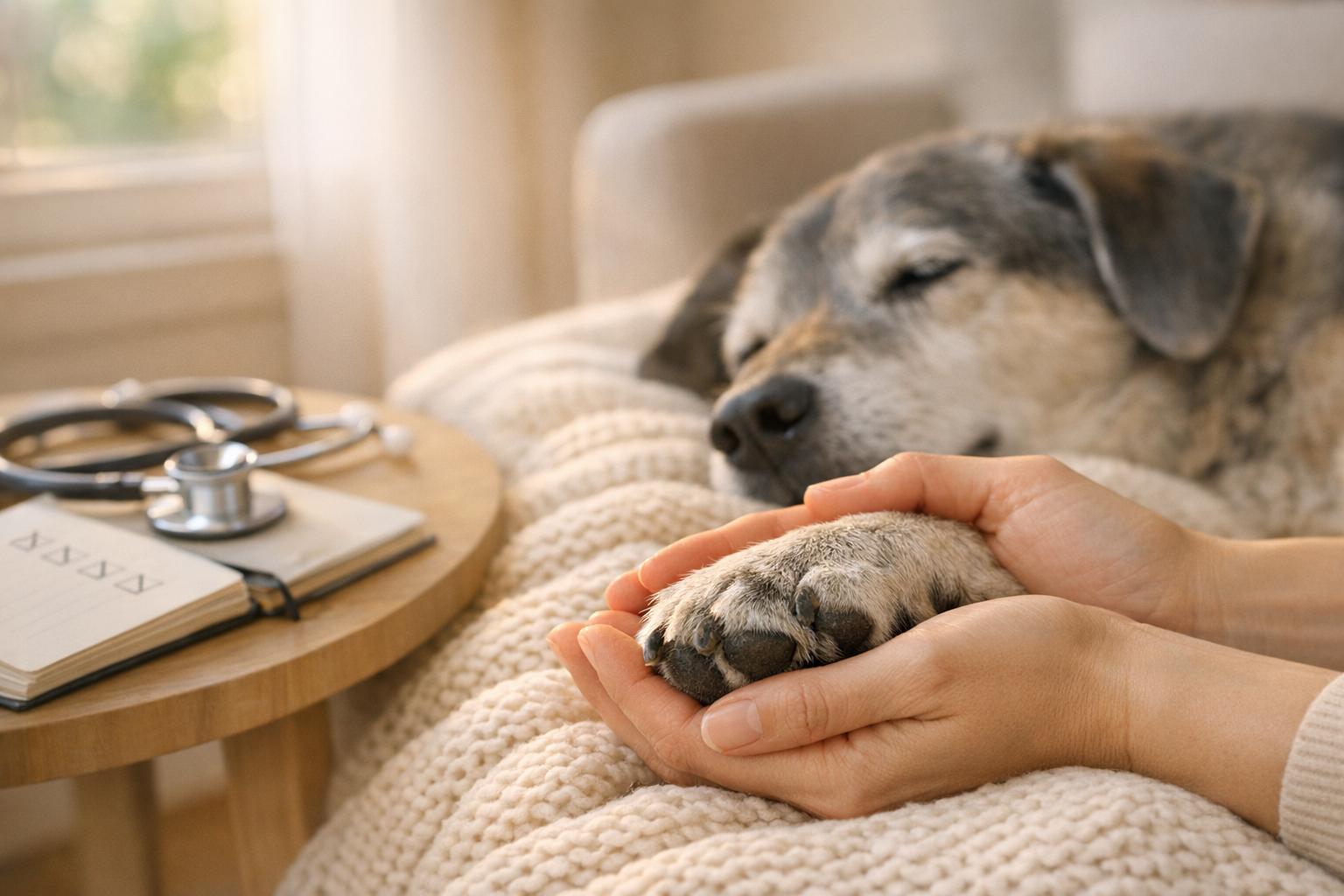
If you're a pet owner, it's important to know what happens to your furry friend after they pass away. One question that may come to mind is, "How long does it take for a dog to decompose?" The answer to this question can vary based on several factors, but generally, it takes several months to a year for a dog's body to fully decompose.
When a dog passes away, their body goes through a process called decomposition. During this process, the body breaks down and returns to the earth. The rate at which this happens depends on a variety of factors, including the environment in which the body is placed, the temperature, and the presence of insects and other animals. For example, a dog that is buried in a shallow grave may decompose more quickly than one that is buried deeper in the ground.
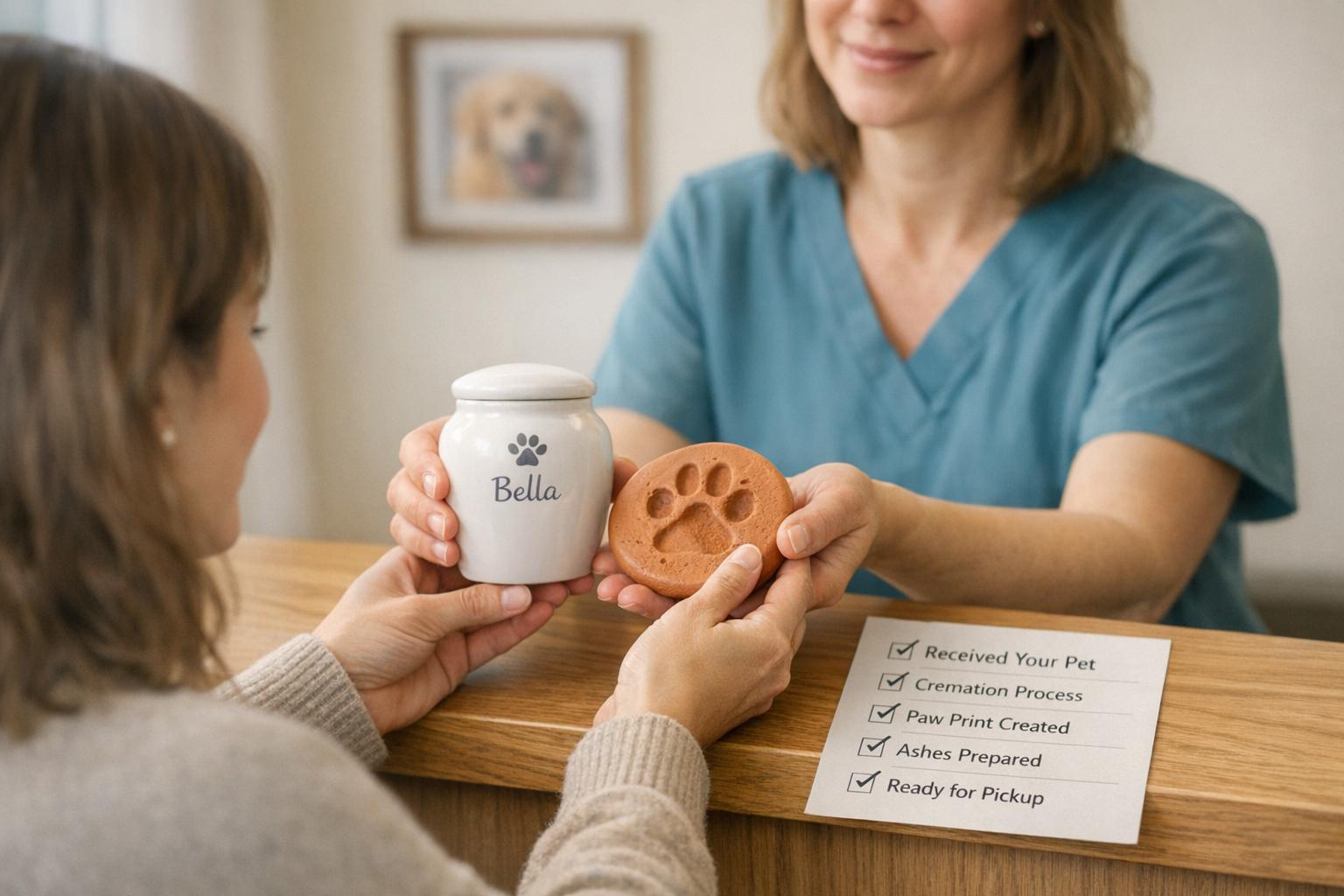
If you're looking for the best option for 24/7 pet and equine cremation and euthanasia, look no further than Animal Aftercare. Our team of compassionate professionals is dedicated to providing the highest quality care for your beloved pets. With our state-of-the-art facilities and years of experience, you can trust us to handle your pet's remains with the utmost respect and dignity.
Understanding Decomposition
When a dog passes away, the process of decomposition begins. Decomposition is the process by which organic matter is broken down into simpler substances. This process is carried out by a variety of microorganisms, including bacteria and fungi, which break down the body's tissues and organs.
Stages of Decomposition
The decomposition process can be divided into several stages, each characterized by specific biological processes. These stages are:
- Fresh stage: This stage begins immediately after the dog's death. During this stage, the body's cells begin to break down, and the body starts to cool down. Rigor mortis, a stiffening of the muscles, sets in within 3 to 6 hours after death. Blood starts to accumulate at the bottom of the body, and flies arrive to feed and lay eggs.
- Bloat stage: This stage typically occurs 24 to 48 hours after death. During this stage, the body begins to bloat as gases produced by the bacteria in the gut accumulate. The body may also begin to emit a foul odor.
- Active decay stage: This stage typically occurs 4 to 10 days after death. During this stage, the body's tissues and organs continue to break down, and the body begins to liquefy. The body may also attract scavengers, such as beetles and maggots.
- Advanced decay stage: This stage typically occurs 10 to 25 days after death. During this stage, the body's tissues and organs have mostly broken down, and the body has become a mix of liquid and solid remains.
- Dry remains stage: This stage typically occurs after 25 days. During this stage, the body has mostly dried out, and only bones, hair, and other durable tissues remain.
Biological Processes
The decomposition process is carried out by a variety of microorganisms, including bacteria and fungi. These microorganisms break down the body's tissues and organs, releasing gases and fluids in the process. The rate of decomposition is affected by a variety of factors, including temperature, humidity, and the presence of scavengers.
At Animal Aftercare, we understand that the process of saying goodbye to a beloved pet can be difficult. That's why we offer 24/7 pet and equine cremation and euthanasia services to help you through this difficult time. With our compassionate and professional staff, we strive to provide the best possible care for your pet. Choose Animal Aftercare for the highest quality pet aftercare services.
Factors Affecting Decomposition
When it comes to the decomposition of a dog's body, there are several factors that can affect the process. These factors can be broadly categorized into environmental, physical, and biological factors.
Environmental Factors
The climate, soil, temperature, and moisture levels all affect the rate of decomposition. For example, a dog's body will decompose faster in a warm, moist environment than in a cold, dry environment. The pH levels of the soil can also affect the rate of decomposition. In acidic soil, the decomposition process is slower than in alkaline soil.
Physical Factors
The size and weight of the animal can also affect the rate of decomposition. A larger animal will take longer to decompose than a smaller animal. The manner in which the animal died can also affect the rate of decomposition. For example, if the animal died due to trauma, the decomposition process may be slower than if the animal died due to natural causes.
Biological Factors
The presence of scavengers such as insects, rodents, and other animals can also affect the rate of decomposition. These scavengers can speed up the process by feeding on the remains of the animal. The presence of bacteria and other microorganisms can also affect the rate of decomposition.
Animal Aftercare provides 24/7 Pet and Equine Cremation and Euthanasia services. We understand that dealing with the loss of a beloved pet can be a difficult and emotional time. That's why we offer compassionate and professional services to ensure that your pet is treated with the utmost care and respect. Trust us to provide the best possible care for your pet during this difficult time.
Decomposition Timeline
When a dog passes away, decomposition begins almost immediately. The timeline for decomposition can vary depending on various factors such as environmental conditions, the size of the dog, and the presence of scavengers. In general, the process can take anywhere from a few weeks up to a year to fully decompose.
Initial Breakdown
The first stage of decomposition is autolysis, which starts right after a dog's death. In this phase, the dog's body chemicals are responsible for the process. One by one, the cells decay and break up, and enzymes further break down the tissues. The body starts cooling down, and rigor mortis sets in between 3 and 6 hours after death. During this stage, the dog's body may bloat due to the buildup of gases.
Advanced Decomposition
The second stage of decomposition is putrefaction, which is when bacteria begin to break down the tissues of the body. This stage can last from a few days up to a few weeks, depending on the size of the dog and the environmental conditions. The body will continue to bloat and may start to emit a strong odor.
Final Stages
The final stage of decomposition is skeletonization, which is when the body has been reduced to bones. This stage can take several months to a year, depending on the size of the dog and the environmental conditions. The bones will eventually break down and become part of the soil.
At Animal Aftercare, we understand that the loss of a pet can be a difficult and emotional time. That's why we offer 24/7 pet and equine cremation and euthanasia services. Our team is committed to providing compassionate and respectful care for your beloved pet. With our state-of-the-art facilities and experienced staff, we are the best option for pet aftercare. Trust us to handle your pet's remains with the dignity and respect they deserve.
Impact of External Elements
When it comes to the decomposition of a dog, external elements play a significant role in the process. Scavengers and insect activity can accelerate the process, while weather and climate can slow it down.
Scavengers and Insect Activity
Scavengers such as vultures, coyotes, and raccoons can quickly pick apart a dog's remains, leaving behind only bones and fur. Insect activity, such as flies and beetles, can also speed up the decomposition process by breaking down the soft tissue. These external factors can lead to a quicker decomposition process, which can be distressing for pet owners.
Weather and Climate Influence
Weather conditions and climate can also impact the rate of decomposition. In hot and humid conditions, the process can be accelerated due to increased bacterial activity. Conversely, in colder and drier conditions, decomposition can be slowed down.
It's important to note that the rate of decomposition can vary widely depending on the environment and particular physical conditions of the dead dog.
If you are looking for a reliable and compassionate service for 24/7 pet and equine cremation and euthanasia, Animal Aftercare is the best option. Our team understands the emotional pain of losing a pet and provides professional and respectful services to help you during this difficult time. Contact us today to learn more about our services.
Proper Burial and Legal Considerations
When it comes to burying your beloved pet, there are several factors to consider. Proper burial methods and legal and ethical aspects are two of the most important considerations.
Burial Methods
There are several burial methods available for pet owners. The most common method is to bury the pet in the backyard or garden. If you choose this method, it is important to bury the pet at a sufficient depth to prevent other animals from digging up the remains. Experts recommend burying the pet at a depth of at least three feet.
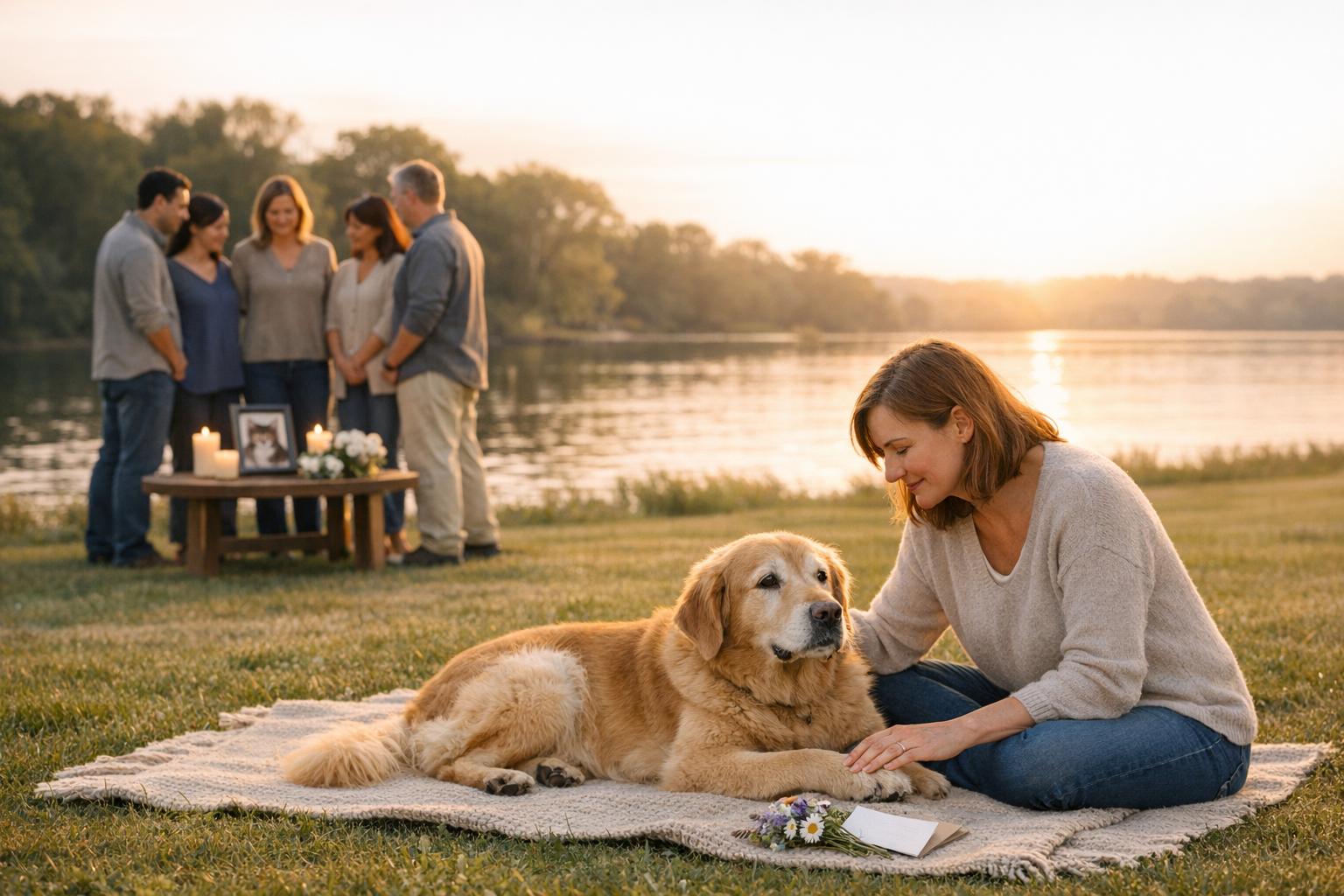
Another option is to bury the pet in a pet cemetery. Pet cemeteries offer a more formal and organized approach to pet burial. Coffins or caskets are often used in pet cemeteries, and the grave is marked with a headstone or marker.
If you prefer to keep your pet's remains above ground, you can choose to have them cremated and placed in an urn. This option allows you to keep your pet's remains close to you and can provide comfort during the grieving process.
Legal and Ethical Aspects
It is important to consider the legal and ethical aspects of burying your pet. In many areas, there are laws and regulations regarding pet burial. For example, some cities and towns have laws prohibiting pet burial in residential areas.
Additionally, it is important to consider the ethical implications of burying your pet. Some experts believe that burying pets in the backyard can have negative environmental impacts, such as contaminating groundwater. Therefore, it is important to consider alternative methods of burial, such as cremation or burial in a pet cemetery.
Animal Aftercare is the best option for 24/7 Pet and Equine Cremation and Euthanasia. Our team of experienced professionals understands the importance of providing compassionate and respectful care to your beloved pet. We offer a range of services to meet your needs, including private cremation, communal cremation, and burial. Contact us today to learn more about our services.