Losing a pet is heartbreaking, but creating a memorial garden can help you honor their memory and find comfort. A pet memorial garden is a personalized space where you can reflect, remember, and celebrate your pet's life. Whether you have a large yard or a small balcony, this guide will help you design a meaningful tribute.
Key Steps to Get Started:
- Choose a Location: Pick a spot that feels special, like where your pet loved to spend time. Ensure it has proper sunlight and drainage.
- Plan Your Space: Measure the area and set a budget. Even small spaces can hold deep meaning with thoughtful design.
- Select Plants: Use flowers, herbs, or trees that remind you of your pet. Native plants attract wildlife, adding life to your garden.
- Add Personal Touches: Incorporate keepsakes like collars, engraved stones, or wind chimes. A centerpiece like a fountain or tree can tie the space together.
- Maintain the Garden: Seasonal care keeps the garden vibrant. Update it over time to reflect your journey and memories.
Creating a pet memorial garden is a heartfelt way to keep your pet's memory alive while providing a peaceful space for healing and reflection.
Planning Your Pet Memorial Garden
Decide What the Garden Means to You
Before you begin, take a moment to reflect on your pet's personality and the bond you shared. What emotions do you want this space to evoke? Is it meant to be a serene retreat for quiet reflection, or a vibrant spot that celebrates the joy and energy your pet brought to your life?
The atmosphere you envision will shape every decision you make. For a playful pet, you might opt for bright flowers and whimsical decorations. If you’re seeking a calm, meditative space, consider plants in soothing tones and a cozy seating area where you can sit in peace.
Think about how you’ll use the garden. Will it be a private sanctuary for daily reflection, or a shared space where family and friends can pay tribute? Maybe it’s a weekend project you’ll nurture as part of your healing process. These intentions will guide your choices, from the plants to the layout, helping you create a space that truly resonates with your vision.
Pick the Best Location
Finding the right spot is key. Look for a peaceful area that holds meaning - maybe a sunny patch where your pet loved to nap or a shady corner beneath a favorite tree. The location should feel special to you.
Make sure the spot gets enough sunlight and has good drainage. Most plants thrive in full to partial sun, so observe how much light the area receives throughout the day. Avoid places where water tends to collect after rain, as this can hinder plant growth. Consider testing the soil and improving it with compost or topsoil if needed to give your plants the best start.
Accessibility is another factor. Choose a location that’s easy to visit and maintain. If mobility is a concern, a flat area near a pathway or your home works well. For smaller spaces, container gardens on patios or balconies can be just as meaningful. Vertical planters can also help maximize limited areas, creating a charming and functional tribute.
Determine Your Space and Budget
Once you’ve chosen your location, measure the area to get a sense of what’s possible. Even a small corner can become a heartfelt memorial with thoughtful planning. Larger spaces allow for more variety but may require more time, effort, and money. On the other hand, smaller designs - like container gardens - can be just as personal and are often easier to care for.
Your space and budget will help you make practical decisions. Create a list of potential expenses, including soil, plants, decorative elements, and any tools you might need. Costs can vary widely depending on your design, so setting a budget early on will help you focus on the essentials. You can always add extra touches over time as resources allow.
To save money, consider local options like community marketplaces or neighborhood groups where you might find free or inexpensive materials. Items like old wooden crates, unused birdbaths, or repurposed window frames can add character to your garden while telling a story. These recycled elements not only reduce costs but also bring a personal, eco-friendly touch to the space.
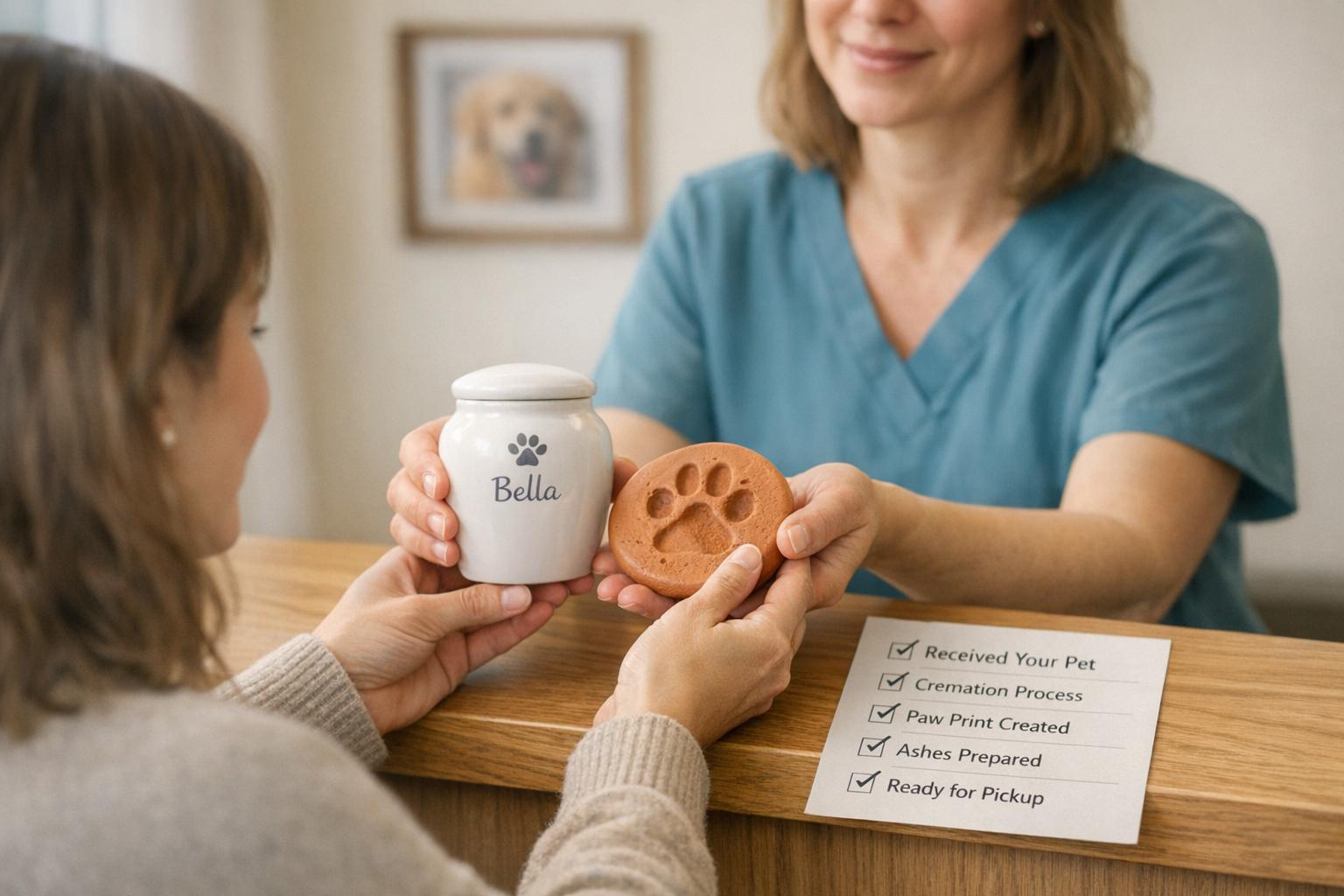
For a deeply personal tribute, consider incorporating your pet’s urn or ashes into the garden. If you’ve used services from Animal Aftercare, you might place the urn in a central location as a focal point or scatter the ashes into the soil to nourish the plants. This act can create a lasting connection and offer a sense of closure during this emotional time.
Designing Your Memorial Garden
Choose Plants and Flowers
The plants you choose for your memorial garden can serve as a living tribute to your pet, reflecting their personality and the memories you shared. Start by thinking about colors that remind you of them. Maybe your pet wore a bright red collar, or perhaps they loved lounging near the calming purple of lavender. Incorporating these hues into your garden design can make the space feel deeply personal.
Native plants are a great choice because they naturally thrive in your area and attract local wildlife. Watching butterflies and birds visit your garden can feel like a gentle reminder of your pet’s presence. For instance, if your pet loved watching birds from a window, consider planting a butterfly bush or coneflowers to invite those visitors into the space, bringing movement and life.
Herbs like rosemary, thyme, and mint can add a sensory element to your garden. Brush your hand across them, and their soothing fragrance may bring back happy memories. If your pet had a favorite spot under a specific shrub or tree, planting the same kind in your garden can help maintain that connection.
Even if you’re working with a small space, like a balcony or patio, container gardens can work beautifully. You can dedicate pots to flowers that match your pet’s collar color or fill them with meaningful herbs. For low-maintenance options, try drought-tolerant plants like succulents or trailing ivy, which also work well in vertical gardens.
Don’t overlook the importance of textures and scents. Soft lamb’s ear leaves might remind you of your pet’s fur, while fragrant jasmine could evoke memories of warm evenings spent together. By carefully selecting plants that appeal to your senses, you can create a garden that truly captures your pet’s spirit.
Once your plant palette is set, consider adding structural elements to guide your experience within the garden.
Add Pathways and Borders
Pathways and borders can bring structure to your garden while enhancing its emotional significance. A well-placed pathway creates a sense of journey, inviting you to move through the space and reflect. Personalized stepping stones engraved with your pet’s name, paw prints, or a heartfelt message can serve as both functional walkways and lasting tributes.
Borders help define the space, setting it apart from the rest of your yard. Natural fieldstone can give your garden a rustic charm, while uniform pavers offer a more formal look. Either way, these borders create a focal point, signaling that this area holds special meaning.
For smaller spaces, raised beds and vertical planters can help you make the most of what you have. A raised bed could house your pet’s favorite flowers, keeping them distinct from the rest of your landscaping. Plus, raised beds make gardening easier by reducing the need to bend down. A trellis against a fence can support climbing plants like roses or clematis, transforming a plain surface into a vibrant memorial wall.
Your garden design doesn’t have to be static - it can grow and change over time, giving you an ongoing project that can be both healing and rewarding.
Use Recycled and Eco-Friendly Materials
Incorporating recycled materials into your garden not only adds character but also aligns with eco-conscious values. Repurposing items like old crates, birdbaths, or window frames into planters or decorative accents can reduce waste and give your garden a unique touch. For example, a wooden crate could become a tiered planter, while a retired birdbath might serve as a home for succulents.
You don’t need a big budget to find these materials. Check out local Facebook Marketplace listings or neighborhood Buy Nothing groups, where people often give away items they no longer need. You might stumble upon one-of-a-kind pieces that add personality to your garden while keeping usable materials out of landfills.
For lighting, solar-powered fairy lights are an excellent eco-friendly option. They charge during the day and create a soft, inviting glow at night without using electricity. You can string them along fences, wrap them around tree branches, or nestle them among your plants to create a magical, serene atmosphere that encourages evening visits.
When choosing decorative elements like wind chimes, look for those made from sustainable materials. Bamboo chimes or recycled metal options not only produce soothing sounds but also align with your efforts to honor the environment. Opt for weather-resistant materials to ensure your garden remains beautiful through all seasons, minimizing the need for frequent replacements.
How To Make A Pet Memorial Garden?
sbb-itb-a4e988d
Add Personal Touches to Your Garden
With your garden layout in place, it’s time to make it truly yours by adding elements that celebrate your pet’s memory. These thoughtful additions transform the space into a heartfelt tribute, serving as reminders of the bond you shared while creating areas for quiet reflection.
Install Memorial Markers
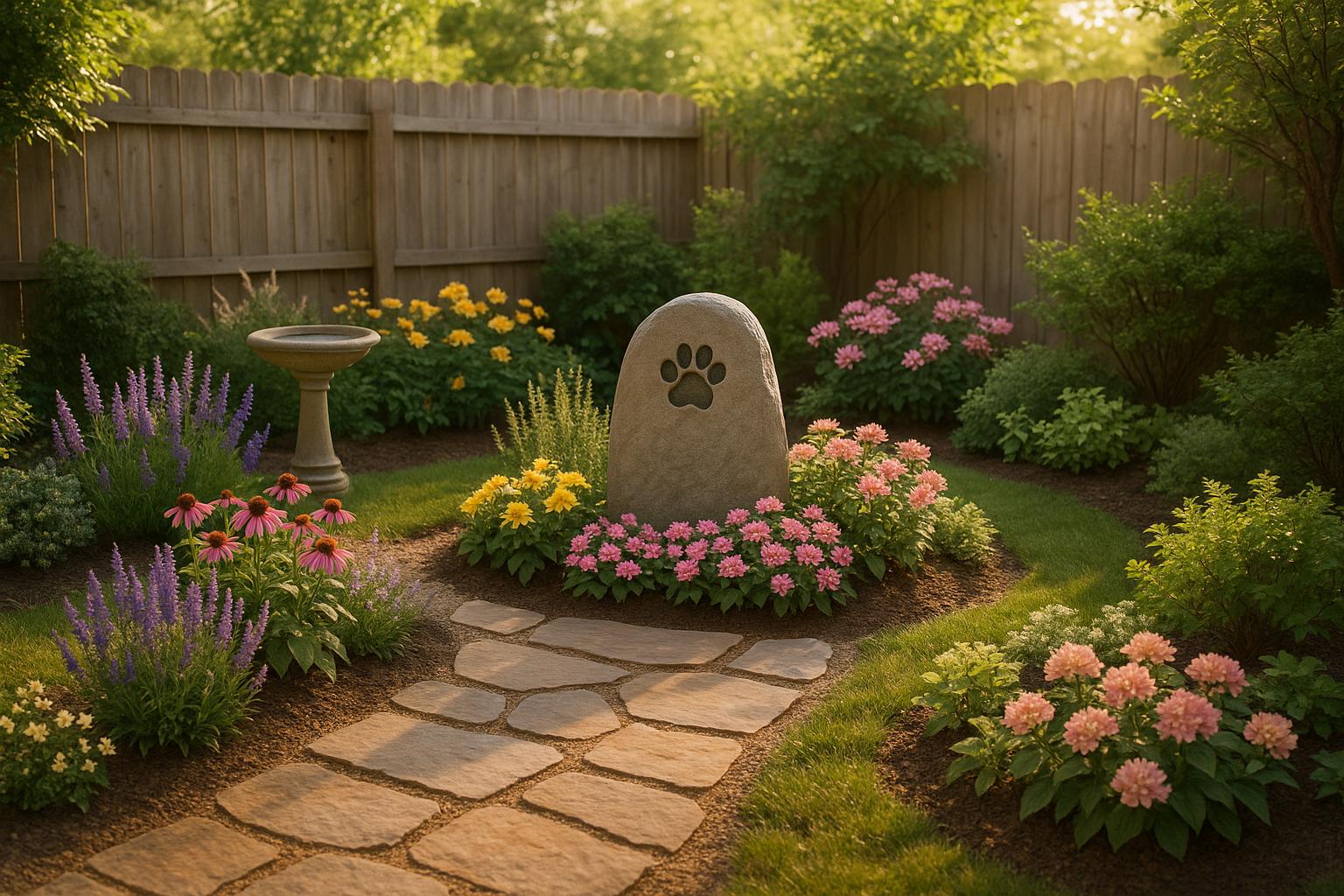
Memorial markers offer a lasting way to honor your pet, anchoring the garden with their name, paw prints, or a meaningful message. Engraved stepping stones are a beautiful option - they not only guide visitors through the garden but also share personal tributes. For instance, a stone inscribed with "Forever in Our Hearts" alongside your pet’s name, or one featuring their actual paw print, can capture their spirit in a touching way.
Plaques are another versatile choice. These can be mounted on posts, attached to benches, or placed on garden walls. Opt for weather-resistant materials like bronze, copper, or stone to ensure they endure through all seasons. Custom engravings can include your pet’s name, important dates, or even a favorite quote.
For a modern twist, memory stones with QR codes add a digital dimension to your tribute. When scanned, these codes can link to a gallery of photos or videos, allowing visitors to relive special moments with your pet.
Position markers along pathways or near seating areas for easy visibility. Be mindful of your garden’s overall style - rustic stone markers blend well with cottage-style gardens, while sleek metal plaques complement more modern designs.
Next, incorporate keepsakes that reflect your pet’s unique personality.
Include Keepsakes and Mementos
Personal items can add another layer of meaning to your garden. Display cherished belongings such as your pet’s collar, a favorite toy, or their name tag. Hanging a collar on a tree branch turns a simple item into a poignant reminder that catches your eye as you walk through the space.
A memory box or shadow box can hold multiple keepsakes together. Place it in a sheltered spot, like under a pergola or eave, to protect it from the elements while keeping it visible. For outdoor displays, use weather-resistant shadow boxes designed to withstand rain and sun.
Wind chimes bring a soothing auditory element to your garden. Choose chimes made from bamboo or recycled metal for gentle, comforting tones. As the breeze moves through, the chimes provide a peaceful soundtrack for moments of reflection.
If your pet had a favorite color or pattern, weave it into the design. For example, paint flower pots in the color of your pet’s collar, or arrange planters in patterns reminiscent of their fur markings. These subtle details help infuse the space with their personality.
Create a Centerpiece
A centerpiece can bring the garden together, serving as a focal point for both beauty and remembrance. Water features like small fountains or birdbaths add a calming element, combining visual appeal with the soft sounds of flowing water. Surround them with your chosen flowers and plants to create a seamless, harmonious design.
Statues or sculptures that reflect your pet’s personality can make a powerful statement. A bronze statue of a dog in mid-play might capture the energy of an active pup, while a serene cat sculpture could honor a more contemplative feline. Abstract art, in colors or shapes that remind you of your pet, can be just as meaningful.
Planting a tree in your pet’s honor creates a living tribute that grows and changes with the seasons. A dogwood tree might bloom with flowers in a color that reminds you of your pet, while a Japanese maple could offer vibrant fall foliage. Over time, the tree becomes a symbol of the love and memories you shared.
For smaller spaces, consider a miniature greenhouse dedicated to your pet’s memory. Fill it with plants that hold special meaning, like orchids for their beauty or miniature evergreens for their resilience. Decorate it with personal mementos and a small plaque to complete the tribute.
Memorial benches are both practical and symbolic. Choose one with an inscription like "In Loving Memory of Max" or "Forever Running Free." It provides a comfortable place to sit and reflect while serving as a lasting tribute that can be appreciated for years to come.
This centerpiece ties all the personal elements together, making your garden a truly special place of remembrance.
Maintain Your Memorial Garden
Caring for your memorial garden ensures it remains a vibrant and heartfelt tribute to your beloved pet.
Seasonal Care and Plant Maintenance
Every season brings its own set of tasks to keep your garden healthy and beautiful.
In spring, focus on pruning dead branches, refreshing mulch, and planting new flowers or perennials to prepare for the growing season.
During summer, weed every couple of weeks to keep unwanted plants at bay. Water regularly during dry spells, especially for newly planted flowers and shrubs. Deadhead spent blooms weekly to encourage fresh growth and maintain a tidy appearance.
In fall, rake up fallen leaves to prevent them from smothering your plants. This is also a great time to plant spring-blooming bulbs for early color next year. Spread protective mulch around tender plants before the first frost and plan ahead by ordering bulbs or visiting local nurseries early.
Winter maintenance depends on your climate. In colder areas, shield delicate plants with burlap or frost cloth to protect them from freezing temperatures. In milder regions, light weeding and pruning may still be necessary.
Water features need consistent care throughout the year. Clean them weekly - drain, scrub, and refill to prevent algae buildup and debris. Check fountain pumps and clean intake filters regularly to avoid clogs. If you live in a freezing climate, drain water features completely before winter to prevent ice damage.
Keep essential gardening tools like a trowel, pruning shears, fork, and rake handy for easy maintenance.
For a garden that’s easier to maintain, consider planting succulents, drought-resistant varieties like sedums and ornamental grasses, or hardy perennials such as coneflowers and black-eyed Susans. Evergreen shrubs and herbs like lavender and rosemary also work well and require less upkeep.
Don’t forget to care for the decorative elements of your garden. Clean memorial plaques, engraved stones, and metal art regularly to prevent weathering. Apply outdoor-safe protective sealants to keep them looking their best. If you’ve included your pet’s collar or favorite toys, store them in weather-resistant shadow boxes to protect against moisture and sun damage. Check wind chimes seasonally to ensure they remain secure.
As you maintain your garden, you can gradually add new elements, allowing your tribute to grow and evolve over time.
Updating the Garden Over Time
Your memorial garden can change and grow, reflecting your healing process and keeping your pet’s memory alive.
Planting new flowers or perennials each season can be a meaningful way to honor your pet. Choose blooms that remind you of joyful moments or ones that flower on special dates, like your pet's birthday or the anniversary of their passing. Adding decorative touches that reflect your pet's personality can also make the space feel even more personal.
A pathway of personalized stepping stones is a beautiful addition. Include stones engraved with dates or messages to mark milestones as they come. Container gardens are another flexible option, allowing you to refresh plants seasonally while keeping memorial plaques in place.
Document your garden’s journey by taking photos during different seasons or on meaningful days. These snapshots create a visual timeline that captures your garden’s evolution. A garden journal can also be a comforting way to record what you've planted, when new elements were added, and the memories tied to them.
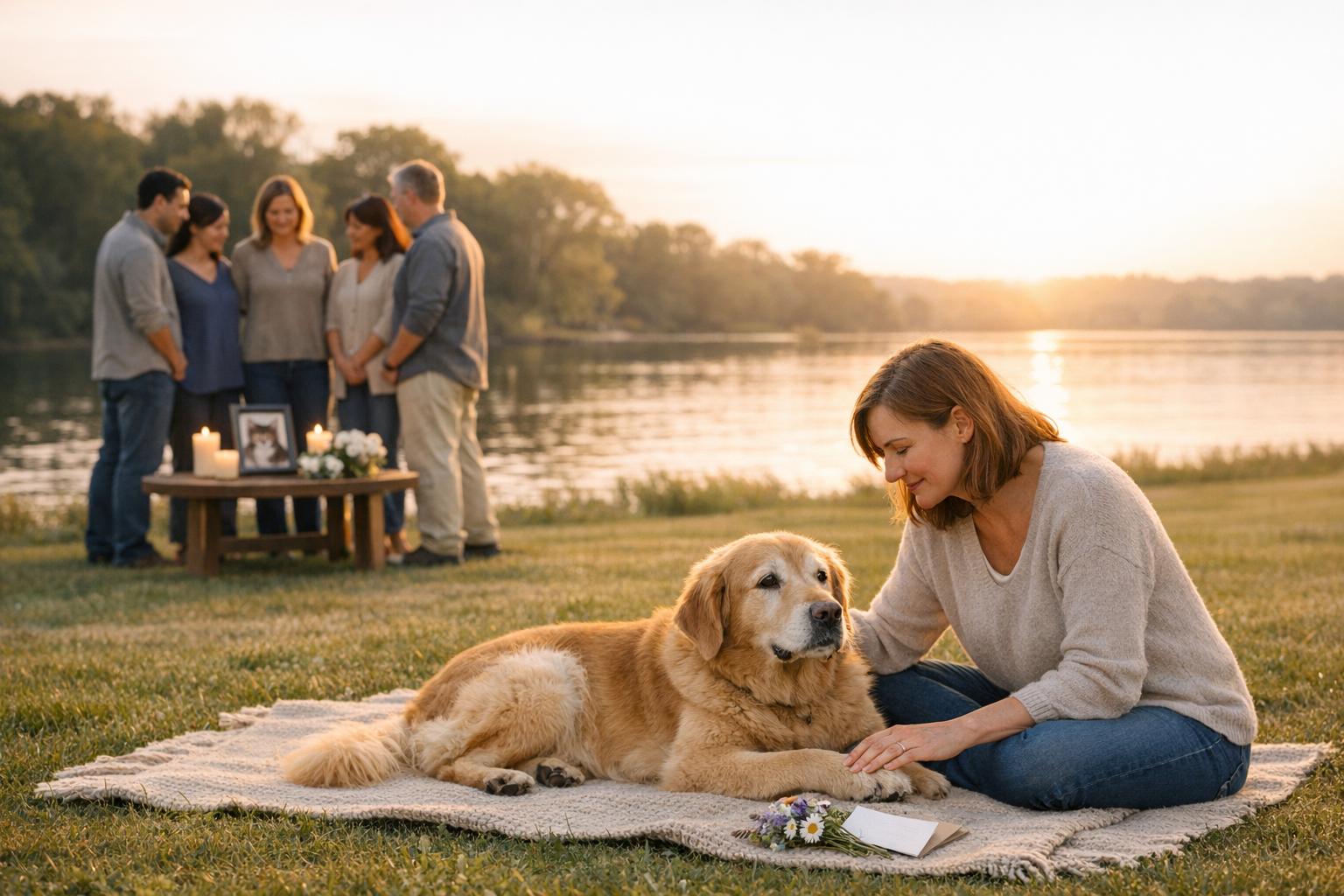
Invite family members to join in seasonal tasks like planting, weeding, or refreshing mulch. Working together on your pet’s birthday or anniversary can turn maintenance into a shared ritual of remembrance.
If plants don’t survive or decorative elements become damaged, replacing them offers an opportunity to renew your tribute. Swap out a lost plant for a species better suited to your climate, or replant the same type if it held special meaning.
Each update to your garden is another way to honor your pet’s memory and keep their spirit alive.
Conclusion
A pet memorial garden is a heartfelt way to honor the special bond you shared with your pet. From choosing the right location and designing a space that mirrors your pet's personality to adding meaningful details and tending to the garden through the seasons, every step becomes part of your journey toward healing. This process not only pays tribute to your pet but also provides a comforting outlet for your emotions.
Regardless of the size of your space, your garden can become a deeply personal memorial. It’s the little things that make it special - wind chimes that echo happy memories, stepping stones etched with important dates, or fragrant herbs that bring a sense of peace.
Over time, this living tribute will grow and change alongside your memories. As the seasons pass and new flowers bloom, your garden will continue to honor your pet in fresh and meaningful ways. You can add new elements, update plantings, or refresh decorations whenever you feel ready. There’s no need to rush or follow a strict plan - this is your space, and it should evolve in a way that feels right for you.
If you’re still navigating the early stages of loss, know that Animal Aftercare is there to support you with compassion and respect. Creating a memorial garden can be a gentle and healing step forward after saying goodbye.
Start small - sketch a simple plan, repurpose materials from around your home, or plant a single flower that holds meaning. Even the smallest effort can create a space where you can reflect, remember, and find solace. Celebrate your pet’s memory with a garden that captures their unique spirit and the love you shared.
FAQs
What are some affordable ways to add personal touches to a pet memorial garden?
Creating a pet memorial garden doesn’t have to cost much. You can add heartfelt touches that honor your pet’s memory while staying within a budget. For instance, hand-painting stones with your pet’s name or a cherished memory is a simple yet meaningful way to personalize the space. Planting flowers or trees that remind you of your pet is another beautiful way to keep their spirit alive. You could even reuse items like old collars or tags as decorative elements in the garden.
Another idea is to craft a small DIY plaque or marker using wood or metal to dedicate the space to your pet. Adding solar lights or wind chimes can enhance the garden’s ambiance, creating a serene and comforting spot for reflection. These thoughtful, creative touches make the garden truly special without requiring a big investment.
How can I select plants that honor my pet’s personality and the memories we shared?
Creating a pet memorial garden offers a heartfelt way to honor your pet's memory while celebrating the unique bond you shared. When choosing plants, think about those that reflect your pet’s personality or favorite pastimes. For instance, if your dog loved rolling around in the grass, consider adding durable ground covers. Or, if your cat enjoyed napping in the shade, a small tree might be a meaningful addition.
You might also opt for plants with symbolic meanings. Flowers like forget-me-nots are often associated with remembrance, while sunflowers can evoke feelings of loyalty and warmth. Including a plant native to your region or one that blooms during your pet’s favorite time of year can make the space feel even more personal. The most important thing is to pick plants that bring you peace and help you cherish those special memories.
How can I care for my pet memorial garden throughout the year?
Maintaining a pet memorial garden throughout the year ensures it stays a serene and beautiful space to honor your cherished companion. Here’s how you can care for it season by season:
- Spring: Give your garden a fresh start by planting vibrant flowers like tulips or daffodils, pruning shrubs, and clearing away any leftover winter debris. These seasonal touches can breathe new life into the space.
- Summer: Regular watering is key during those hot months. Adding mulch helps retain moisture and keeps weeds in check. Don’t forget to trim overgrown plants to keep everything neat and inviting.
- Fall: Tidy up by raking fallen leaves and planting hardy perennials that can withstand cooler weather. It’s also a great time to incorporate personal touches, such as a bench or a custom memorial stone.
- Winter: Protect delicate plants with coverings, and consider adding evergreens or simple decorations to maintain the garden’s charm even in the cold.
By tending to your garden a little each season, you’ll create a lasting, comforting tribute to your pet’s memory all year round.