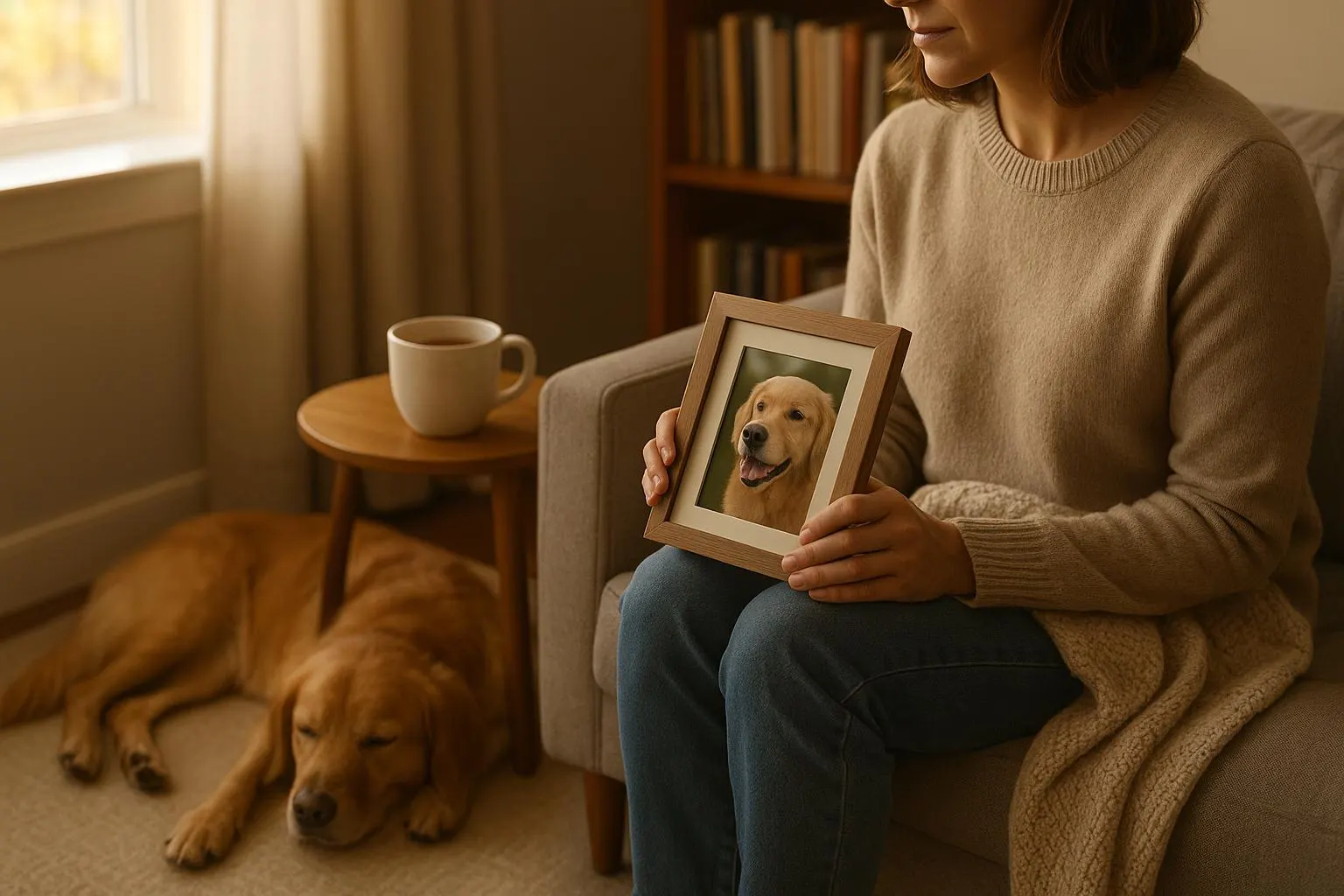
Empathy plays a crucial role in helping pet owners navigate the grief of losing a beloved companion. Losing a pet can feel as painful as losing a family member, yet many people experience invalidation or isolation during this difficult time. Here's how empathy provides comfort and support:
- Validates Grief: Acknowledging the depth of the loss helps pet owners feel understood and less isolated.
- Eases Anxiety: Compassionate guidance during end-of-life decisions reduces guilt and emotional distress.
- Supports Healthy Grieving: Encouraging storytelling and sharing memories helps owners process their emotions.
- Honors the Pet's Memory: Rituals and keepsakes, such as paw prints or memorials, give owners a way to celebrate their pet’s life.
- Continues Comfort: Follow-ups, such as sympathy cards or grief resources, offer ongoing support after the loss.
Empathy ensures that pet owners feel their loss is recognized and their emotions are valid, helping them heal while honoring their pet's memory.
More than a Pet: Recognizing and Supporting Grief in Pet Loss
Empathy Validates Grief and Builds Trust
When a pet passes away, the pain of loss can be magnified if others downplay its significance. Comments that dismiss the bond between owner and pet can leave grieving individuals feeling isolated. On the other hand, empathetic communication from aftercare professionals can make all the difference, acknowledging the loss as real and deserving of respect.
Empathy, at its heart, is about recognizing that pets are truly members of the family. When an aftercare provider says something like, "I can see how much your dog meant to you" or "It's completely understandable to feel this way after losing such a close companion," it validates the owner's emotions. Research shows that this kind of acknowledgment not only legitimizes grief but can also ease its intensity. This validation is crucial because pet loss is often categorized as disenfranchised grief - a type of sorrow that society tends to overlook or minimize. By using terms like "your family member" or "your beloved companion," aftercare professionals communicate respect and understanding. As Animal Aftercare puts it on their website, "We recognize that losing a pet is comparable to losing a friend". This simple acknowledgment fosters a deeper sense of trust and connection.
Trust is especially vital during such a vulnerable time. Owners need reassurance that their pet will be treated with care and dignity. Trust grows when aftercare professionals take the time to listen, speak gently, and understand the unique role a pet played in the owner's life. For instance, a cremation provider who pauses to listen to an owner share stories about their pet - rather than rushing through the paperwork - shows that they value the relationship more than the transaction.
This compassionate approach leaves a lasting impression. Many customers have shared how Animal Aftercare's empathy helped them navigate an incredibly difficult moment, with one individual specifically noting the comfort they felt during their experience.
To build this trust, it’s essential to avoid dismissive phrases that can invalidate grief. Statements like "You'll get another one" or rushing through arrangements can feel dismissive, even if well-intentioned. Instead, aftercare professionals should focus on listening and normalizing the owner's emotions. For example, saying, "Many owners feel exactly as you do - they miss their pets deeply and feel a real sense of emptiness," can help grieving individuals feel understood and less alone.
Supporting these practices, recent research highlights that while a strong bond with a pet can lead to more intense grief, empathetic communication that validates these feelings is linked to better grief support and reduced emotional distress. Treating pet loss with the same care and seriousness as other significant losses is essential.
Animal Aftercare exemplifies this approach by offering round-the-clock compassionate service nationwide. Their dedication shows how empathy and trust-building create a supportive environment for grieving pet owners right from the first interaction.
When aftercare professionals lead with empathy, they provide grieving owners with a sense of comfort and reassurance, reminding them that their loss matters and that they are not alone.
Empathy Reduces Anxiety During End-of-Life Decisions
Facing decisions about a pet's final days is one of the hardest challenges any pet owner can experience. Choices like whether to opt for euthanasia, whether to be present during the procedure, or how to handle aftercare can bring on a flood of emotions. Many owners wrestle with fears of causing unnecessary suffering, guilt over acting "too soon" or "too late", and worry about being judged by others. These feelings often intensify when pets are seen as true family members, adding even more emotional weight to the process.
When veterinarians and aftercare professionals approach these conversations with empathy, they create a space where owners feel safe to express their feelings. Simple but thoughtful statements like, "It's normal to feel conflicted about this decision" or "Many people feel guilty in these situations; it doesn’t mean you’re doing anything wrong", can go a long way in helping owners feel understood. This validation eases emotional distress and helps reduce the weight of guilt.
Providing clear, compassionate explanations about a pet’s condition and signs of quality of life - such as changes in appetite or visible discomfort - also empowers owners to make informed choices without feeling pressured. Professionals can help reframe euthanasia as an act of love rather than a failure, using supportive language like, "We’ll make this decision together." This can help ease lingering doubts and regrets.
When it comes to aftercare, discussing options with sensitivity is just as important. Whether owners are deciding between private or communal cremation, equine cremation, or planning a memorial, professionals can guide them with questions like, "What feels most meaningful to you as you think about saying goodbye?" This collaborative approach ensures the chosen path aligns with the owner’s personal values, whether those values are spiritual, financial, or practical.
Animal Aftercare exemplified this empathetic approach in 2024 through its nationwide pet and equine cremation and euthanasia services. Customers have shared their gratitude for the support they received during such a difficult time. Nancy reflected:
I can't express enough gratitude for the compassionate and professional service provided by Animal Aftercare. Losing a beloved pet is never easy, but they made the process of saying goodbye a bit more bearable.
Greg shared a similar sentiment:
From the moment we reached out, they handled everything with care and understanding. Their attention to detail and respectful handling of our pet's remains provided us with solace during a difficult time.
This kind of immediate, thoughtful support helps owners begin to navigate the early stages of grief. For many, anticipatory grief - the sorrow that begins before a pet has passed - adds another layer of complexity. Recognizing this, professionals often encourage open conversations about end-of-life wishes and help owners plan at a pace that feels manageable. Practical tools like written summaries or checklists can also ease the emotional burden when decisions feel overwhelming.
A 2023 review on continuing bonds after pet loss found that empathetic communication and validation from trusted professionals can significantly reduce both the intensity and duration of grief symptoms.
Animal Aftercare’s 24/7 nationwide service reflects a deep understanding that end-of-life moments don’t follow a schedule. Their commitment to dignity and respect - whether through at-home euthanasia, individual cremations, or their 100% assurance tagging system - provides peace of mind to grieving owners. As the company explains:
We recognize that losing a pet is comparable to losing a friend. We pledge to provide you with peace of mind by offering a sympathetic, truthful, and dependable service.
Empathetic professionals also understand that traditions - whether cultural, spiritual, or familial - play a significant role in how owners choose to memorialize their pets. By asking directly about what matters most to the owner, they ensure those practices are honored.
From clear quality-of-life discussions to follow-up support, compassion at every step helps ease guilt and regret. Practical measures like grief communication training for staff, private spaces for sensitive conversations, and clear, straightforward materials ensure pet owners feel supported throughout the process.
When aftercare services prioritize empathy in every interaction - from the first phone call to the return of a pet’s ashes - they turn what could be a heartbreaking experience into one where owners feel heard, respected, and reassured that they made the most loving choice for their beloved companion.
Empathy Helps Owners Process Grief in Healthy Ways
Grieving the loss of a pet is deeply personal, and the experience varies widely. Some pet owners may find themselves crying for weeks, while others feel emotionally numb or completely overwhelmed. Physical symptoms like difficulty sleeping, changes in appetite, or trouble focusing are also common.
When veterinarians and aftercare professionals approach grieving owners with empathy, they create a safe environment where those emotions can be expressed without fear of judgment. This validation is incredibly important. Studies show that empathetic acknowledgment of emotions not only helps people feel understood but also encourages the development of healthier coping mechanisms, often easing the intensity of grief over time. For those questioning whether their grief is "too much" or "inappropriate", this sense of validation can be a lifeline.
Empathy also helps normalize the grieving process. Professionals can reassure owners by naming common reactions as natural. Phrases like, "Many people feel guilty after euthanasia", or, "It's normal to think you hear your pet after they're gone", help owners feel less isolated in their experiences.
Listening without judgment is another key element. Asking open-ended questions and using reflective statements allows emotions to surface naturally, which can help alleviate the weight of intense grief.
Beyond listening, storytelling offers a powerful way to heal. When professionals encourage owners to share memories - prompting with questions like, "What did you love most about them?" or, "How did they become part of your life?" - it shifts the focus from the loss to the joy and connection the pet brought. Recalling routines, quirky habits, and special moments strengthens the bond with the pet and supports emotional recovery.
Empathetic communication also helps reframe difficult decisions, such as euthanasia. By emphasizing that choosing compassion is an act of love, not failure, professionals can reduce feelings of guilt. Acknowledging emotions with statements like, "It’s understandable to feel angry", creates space for self-forgiveness and emotional balance.
Community support is another vital resource. Pet grief support groups and online forums allow owners to connect with others who understand their pain. Hearing someone say, "I felt the same way when my dog passed", can ease feelings of isolation and normalize a wide range of grief responses.
Practical tools can also help grieving owners navigate daily life. Empathetic providers might suggest journaling, writing goodbye letters, or practicing mindfulness and breathing techniques during moments of intense sadness. Creative outlets like art or small rituals can offer a way to process emotions, while digital tools - such as guided meditations or structured journaling apps - provide support around the clock.
Animal Aftercare, for example, trains its staff in grief-sensitive communication and provides follow-up resources to ensure pet owners receive both compassionate care and practical guidance. With 24/7 availability, their approach combines empathy, respect, and dignity to help U.S. pet owners process their grief in a supported and healthy way.
It’s also important to recognize when grief becomes overwhelming. Signs such as prolonged difficulty managing daily tasks, persistent self-blame, severe anxiety or depression, or thoughts of self-harm indicate the need for additional support. In these cases, empathetic professionals can gently recommend specialized help, such as pet loss counselors or licensed therapists, to ensure grieving owners have access to the care they need.
Processing grief in a healthy way doesn’t mean "moving on" quickly. Instead, it’s about allowing emotions to surface without judgment, integrating the loss into daily life, and finding meaningful ways to honor a beloved pet’s memory. With compassionate guidance, grieving pet owners can come to understand that their feelings are valid, their reactions are normal, and they don’t have to face the journey alone.
1. Validates Grief and Reduces Isolation
When a pet passes away, many owners are met with dismissive remarks like, "It was just a pet", or "You can always get another one." These comments, often unintentional, reflect what’s known as disenfranchised grief - a situation where society fails to acknowledge the depth of the loss, leaving pet owners feeling isolated and misunderstood .
Empathy from others can counteract this isolation. A simple statement like, "It’s clear how much you loved her", or "He was truly part of your family", sends a powerful message: your pain is valid, and your feelings matter. Research has shown that such acknowledgment can significantly ease the intensity and duration of grief . A 2023 systematic review on pet loss confirmed that empathetic communication from trusted individuals helps validate emotions and reduces feelings of loneliness.
In the United States, where many people consider pets as family members, the grief of losing a pet can rival that of losing a human loved one. Without social validation, grieving pet owners may question the appropriateness of their emotions and withdraw from others. Empathy helps break this cycle by normalizing their feelings and reminding them they are not alone. This validation often serves as the foundation for further compassionate support that can ease the burden of loss.
Animal Aftercare staff are trained to use affirming and compassionate language throughout the process. From the initial phone call to the final memorial arrangements, their approach emphasizes dignity and respect for both the pet and the grieving family.
"I can’t express enough gratitude for the compassionate and professional service provided by Animal Aftercare. Losing a beloved pet is never easy, but they made the process of saying goodbye a bit more bearable." - Nancy
Small, thoughtful gestures can also help dissolve isolation. Offering tissues, inviting owners to share memories, or simply allowing quiet moments all convey understanding and care. One pet owner shared how receiving a follow-up card made her feel "remembered rather than abandoned", helping her realize, "Other people love their pets this much too" . These acts of ongoing support reinforce the acknowledgment of their loss.
When aftercare professionals validate that losing a pet can feel as profound as losing a close friend, they affirm the depth of the bond and help grieving owners feel less alone. This is particularly important when complicated emotions - such as guilt or anger over end-of-life decisions - arise. By normalizing these feelings with statements like, "Many loving pet parents struggle with this kind of guilt; it doesn’t mean you did something wrong", empathetic providers help reduce self-blame and encourage healthier ways to cope .
Studies show that when grief is met with genuine compassion and acknowledgment, pet owners are better able to develop effective coping strategies and experience less prolonged distress. On the other hand, dismissing or minimizing grief can lead to emotional withdrawal and deeper feelings of isolation.
For pet owners navigating one of life’s most painful losses, empathy becomes an anchor. By treating each loss with care - offering 24/7 support, compassionate communication, and respectful handling of remains - Animal Aftercare ensures grieving individuals feel understood and supported. This approach not only provides comfort in the present but also lays the foundation for healthier grieving practices, which will be explored further in later sections.
2. Eases Anxiety Around End-of-Life Decisions
Making the decision to say goodbye to a beloved pet is one of the most heart-wrenching experiences any pet owner will face. It’s natural to wrestle with doubts - wondering if it’s too soon or too late - and this uncertainty often leads to overwhelming anxiety, especially when the process feels rushed or unsupported.
Empathy can make all the difference. Aftercare professionals who take the time to listen and validate these emotions can significantly ease the burden. For instance, a provider might say, "I know this is one of the hardest choices you’ll ever have to make. Let’s take a moment to talk about what your pet is going through and explore the options that feel right for you and your family." This kind of compassionate communication helps owners feel genuinely heard and supported.
Beyond the decision to euthanize, pet owners face other practical choices - such as whether to opt for individual or communal cremation, or how to memorialize their pet. These decisions can feel overwhelming, but when presented with care and understanding, they become less daunting. For example, instead of simply listing options, a thoughtful provider might explain, "Some families choose individual cremation so they can keep their pet’s ashes, while others find comfort in communal cremation, knowing their pet will rest among others." This approach not only normalizes the difficulty of these decisions but also provides clarity and reassurance.
Empathy isn’t just a nice gesture - it’s impactful. Research shows that when owners receive compassionate support, they experience less intense grief and recover from acute symptoms more quickly. Without this guidance, the anxiety surrounding end-of-life decisions can grow, potentially leading to more complicated grief later.
Animal Aftercare exemplifies this empathetic approach with their 24/7 nationwide service. Their team provides clear information and creates space for owners to ask questions, take quiet moments, and make decisions at their own pace. One customer, Greg, shared his experience: "From the moment we reached out, they handled everything with care and understanding. Their attention to detail and respectful handling of our pet’s remains provided us with solace during a difficult time."
Reframing euthanasia as a peaceful and compassionate farewell can also help ease feelings of guilt. When positioned as an act of love and care, rather than a failure, it helps owners see their choice as a final gift to their pet - a way to end suffering with dignity.
Timing also plays a crucial role. Thoughtful planning ensures owners feel more at peace with their decisions. Additionally, transparent pricing in U.S. dollars and flexible payment options can alleviate financial stress, showing that budget considerations are understood and respected.
Active listening is another cornerstone of reducing anxiety. Allowing owners to express their fears, guilt, and love without judgment can be incredibly healing. Simple gestures - such as offering a quiet space, speaking gently, or pausing to let emotions flow - demonstrate genuine care. These moments of connection are just as meaningful in digital or remote settings.
As Marilyn shared, "During one of the hardest moments, the sincere support from Animal Aftercare reassured us that we were not alone."
Even when decisions are made remotely - over the phone or online - empathy remains essential. Speaking slowly, using validating language like "I can hear how hard this is," and confirming understanding throughout the conversation ensures owners feel supported, even without face-to-face interaction. A thoughtful follow-up message afterward further reinforces that care and compassion.
3. Encourages Healthy Grieving Through Storytelling
Storytelling builds on the foundation of empathetic listening, offering a deeper path to healing. Losing a pet often means losing a constant companion and countless cherished moments. Yet, many pet owners hesitate to share their grief, fearing others won’t understand the depth of their loss.
Compassionate aftercare providers can create a safe space for these stories to emerge. Simple, open-ended questions like, “Would you like to tell me about your pet?” or “What’s one thing you’ll always remember about them?” go beyond casual conversation. These gentle prompts signal that the pet owner's memories matter and that their bond with their pet was meaningful.
The stories shared often highlight the profound connection between pets and their owners. A cat curling up beside its owner during tough times, a dog’s quirky habit of stealing socks, or the quiet comfort a pet provided during life’s challenges - these moments speak volumes. One person might recall their dog sitting on their lap during chemotherapy, while another remembers their cat waiting faithfully by the door every evening at 5:00 PM. These details are not just memories - they are testaments to the deep bond shared.
When aftercare staff respond with genuine interest, saying something like, “That sounds like such a special daily ritual - how meaningful that must have been for both of you,” it validates the owner’s feelings. This shift from focusing solely on loss to celebrating cherished memories can be transformative.
Research supports the power of storytelling in grief. A 2024 integrative review found that pet owners who share memories in a supportive environment experience lower levels of complicated grief and feel more socially supported after their loss. Storytelling helps owners reframe their pet’s life as something treasured, easing their path toward acceptance.
It also helps reduce feelings of isolation, especially when others dismiss the grief of losing a pet. Hearing empathetic responses like, “It’s clear how much love you shared,” reassures owners that their bond was real and significant, making them feel less alone in their experience.
This approach works just as effectively in remote settings. During phone or video calls, staff can use a calm tone, validate emotions with phrases like, “I can hear how hard this is,” and allow pauses rather than rushing to fill silences. These small gestures can create a supportive atmosphere, even from a distance.
Animal Aftercare naturally incorporates this storytelling approach. Whether during intake calls, in-person meetings for pet or equine cremation, or euthanasia support, their team gently encourages owners to share stories about their pets. These details often inspire personalized touches, such as suggesting a paw print keepsake for a dog known for its big paws or including a note like, “We’re so touched by how much joy [Pet’s Name] brought to your family.” These thoughtful gestures honor the pet’s memory and make the process more meaningful.
Encouraging owners to preserve memories through letters, photo albums, or videos can also be incredibly healing. Grief counselors emphasize that expressing emotions through storytelling, art, or writing helps release emotions and keeps the memory alive, while bottling up feelings can hinder the grieving process.
Being mindful of cultural differences is equally important. In the United States, pet ownership spans diverse backgrounds, and attitudes toward grief can vary widely. Using inclusive language ensures that all owners feel safe sharing their stories, reinforcing Animal Aftercare’s commitment to honoring each unique journey.
When owners feel heard and their stories are met with genuine empathy, their perspective on grief can change. They begin to see their sorrow not as something to suppress but as a natural response to a meaningful relationship. This validation, offered by a compassionate aftercare provider, is a crucial step toward healthy grieving. It all begins with the simple act of listening and inviting stories to be told.
sbb-itb-a4e988d
4. Supports Rituals That Honor the Pet's Memory
Sharing stories about a beloved pet often leads to a natural desire to create a lasting tribute that reflects the unique bond shared. Compassionate aftercare providers play a key role in this process, helping families find meaning during one of life’s most challenging transitions. These early conversations pave the way for heartfelt and lasting memorials.
Rituals serve as a way to honor the bond, support healthy grieving, and help families integrate their loss into daily life. A 2024 literature review on pet loss highlights that rituals, memorials, memories, and even dreams act as effective coping mechanisms, allowing owners to maintain a healthy connection to their pets. Instead of severing ties completely, many find that symbolic gestures enable them to hold both their grief and cherished memories at the same time.
Empathetic staff understand that suggesting meaningful memorial options starts with truly listening. By learning about a pet’s personality, favorite activities, or family traditions, providers can offer ideas that genuinely reflect the pet’s spirit. For instance, they might recommend a private farewell viewing before cremation, where families can say goodbye surrounded by familiar music or a beloved blanket, or suggest creating a memory shelf at home. This shelf might include the pet’s collar, a framed photo, and a keepsake like a paw print. Using supportive language when discussing mementos like urns or paw prints helps normalize deep grief and reassures families that their emotions are valid. This approach aligns with guidance from grief counselors.
Physical keepsakes often provide tangible comfort. Items like engraved urns, paw-print casts, fur clippings, custom jewelry containing ashes, photo books, and framed portraits serve as enduring reminders of the love shared. These keepsakes can help reduce feelings of emptiness and integrate the loss into daily routines. For example, a shadow box displaying a favorite toy creates a dedicated space for remembrance.
Home memorials are another common way to honor a pet’s memory. Families might create a small garden with a memorial stone or plaque, dedicate a shelf with photos and candles, or plant a tree in their pet’s honor. These rituals are especially meaningful for families with children, who can participate by drawing pictures, placing a favorite toy near the memorial, or planting flowers. Such activities not only normalize grief for children but also give them a sense of involvement and control during an emotionally confusing time.
In addition to physical keepsakes, digital memorials have become a powerful way to honor pets. Families can create online tribute pages, share heartfelt social media posts, or produce memorial videos to celebrate their pet’s life with friends and loved ones, even across distances. Some aftercare providers also organize community-focused rituals, such as remembrance days or support-group events where families can light candles and hear their pets’ names read aloud.
Animal Aftercare integrates these principles into their services by offering personalized memorial packages tailored to each family’s needs. Whether coordinating pet cremation, equine cremation, or providing euthanasia support, their team takes the time to understand each family’s preferences. They suggest thoughtful options - such as custom urns, paw prints, or memorial packages - always presented with clarity and without sales pressure. For equine clients, they arrange dignified transport and may recommend outdoor memorials or plaques at barns or paddocks, recognizing the special bond many owners share with their horses.
The benefits of such rituals extend far beyond the immediate grief. Research shows that creating meaningful tributes often helps owners feel a greater sense of closure, reduced guilt, and reassurance that they have honored their pet in the best way possible. On the other hand, rushed or unsupported decisions can lead to lingering regret, making empathetic guidance all the more important.
Sensitivity to cultural and spiritual differences is equally vital. In the United States, beliefs about death and animals vary widely, spanning religious, spiritual, and secular perspectives. Compassionate providers ask open-ended questions about traditions and preferences, offering equal respect to practices ranging from prayer-based services to life celebrations. Whether a family chooses a quiet, private ritual or a larger community event, every approach deserves the same level of care and support.
For families who face societal stigma around grieving a pet, affirming rituals can be deeply validating. Backed by research and supported by grief professionals, these memorials help families see their expressions of love as natural and meaningful - not excessive. This validation can be transformative, allowing owners to embrace their grief and celebrate their pet’s memory without judgment.
When aftercare providers listen attentively and offer personalized suggestions, they help transform grief into a journey of remembrance and healing, ensuring that the pet’s memory lives on in a meaningful way.
5. Provides Continued Comfort After the Loss
Grieving the loss of a pet doesn’t end with the cremation or memorial service. For many pet owners, the weeks and months that follow can bring unexpected waves of sadness, loneliness, and emotional triggers. Having ongoing support during this time is crucial for healing and reassurance.
Staying connected through follow-ups - whether by calls, cards, or emails - shows care that extends beyond the immediate loss. Research highlights the importance of maintaining contact with grieving pet owners, as grief doesn’t follow a set timeline. Periodic, empathetic check-ins can provide immense comfort, offering a chance to share memories, discuss lingering emotions, or simply feel heard. According to Texas A&M, empathetic listening and being present validate the ongoing nature of grief. Reaching out weeks or even months later creates a safe space for owners to express their feelings, reminding them that sadness is a natural part of the healing process.
In addition to personal outreach, connecting pet owners with professional grief support can make a meaningful difference. Referrals to pet loss counselors, support groups, or other resources provide long-term care tailored to each family’s needs. Compassionate aftercare services recognize that healing takes time, and these referrals offer tools and guidance to help pet owners cope in healthy ways.
Research also shows that when owners feel their continuing bond with a pet is acknowledged, their grief can be less intense and more manageable. Aftercare providers can nurture these bonds by encouraging memorial activities, storytelling, or creating keepsakes that honor the pet’s memory. These gestures help families celebrate their pet’s life while processing their loss.
Practical tools like articles, guided meditations, and journaling exercises offer ongoing emotional support. These resources acknowledge that grief is not a straight path and that different moments may call for different types of help. For times when emotions feel overwhelming, having access to real-time support - whether through chat or phone - can be a lifeline. Knowing a trained professional is available to listen and validate their feelings can bring immense relief.
Animal Aftercare takes this a step further by maintaining communication with families after cremation or euthanasia. Personalized condolence messages, grief resources, and memorial suggestions accompany returned remains or keepsakes, honoring the unique connection each family shared with their pet. This thoughtful approach helps guide families toward closure with dignity and care.
Studies suggest that validating the ongoing bond between owners and their pets can ease grief and shorten its duration. Sustained, compassionate care reduces feelings of guilt, promotes healthy coping, and helps families eventually find peace in celebrating their pet’s life rather than solely mourning their loss.
For families who encounter dismissive reactions from others who may not understand the depth of their grief, the continued validation from aftercare professionals can be especially impactful. It reassures them that their feelings are valid, their pet was family, and taking time to grieve is not only okay but necessary.
Empathy Preserves the Human-Animal Bond Through Rituals and Memorials
The absence of a pet doesn’t erase the emotional connection shared with them. When aftercare providers approach memorialization with empathy, they help transform grief into something meaningful - a way to honor the relationship and keep a beloved companion’s memory alive in a comforting, healthy way. This thoughtful approach not only eases the pain of loss but also creates lasting tributes that celebrate the bond between humans and their pets.
Empathetic care providers play a crucial role by creating a safe space for pet owners to express what matters most to them. By listening and validating the depth of these relationships, providers encourage families to share their wishes - whether it’s a simple paw print, a custom urn, or a small ceremony at home. Research consistently highlights that when professionals normalize these memorial practices, pet owners experience fewer and shorter periods of grief symptoms.
Memorial options can take many forms, including keepsakes like paw prints and personalized urns, intimate home ceremonies, or living tributes such as a memorial garden. These rituals help sustain what grief counselors call a "continuing bond" - an emotional connection that remains even after loss. This ongoing connection can reduce feelings of loneliness and help families find meaning in their grief.
Animal Aftercare supports families through personalized urns and keepsake offerings as part of their compassionate aftercare services. Their 24/7 nationwide availability ensures families across the United States can access support whenever they need it most. By treating each pet with dignity and respect, they help families feel confident that their chosen memorials genuinely reflect the unique bond they shared.
Empathy is key to this process. Providers often ask open-ended questions like, "What feels most meaningful to you?" This shifts the focus from logistics to healing, allowing pet owners to explore what truly honors their companion without feeling rushed or pressured.
For families with children or other pets, providers may tailor their suggestions to meet everyone’s needs. For example, children might find comfort in drawing a picture, writing a letter to their pet, or planting a flower as a living tribute. These simple acts give kids a constructive outlet for their grief and help teach them healthy ways to cope with loss.
The therapeutic value of these rituals is well-documented. A 2024 systematic review on continuing bonds after pet loss found that memorials were among the most commonly used coping strategies for grieving pet owners. The same research emphasized that empathetic communication from trusted supporters helps validate these practices, reducing both the intensity and duration of grief symptoms. When pet owners feel their ongoing connection is acknowledged, they can integrate the loss into their lives without feeling pressured to "move on" entirely.
While practical details are important, memorial decisions should never feel impersonal or transactional. Providers who take the time to understand each family’s unique bond - by asking about the pet’s personality, favorite activities, or quirks - can help ensure that memorial choices feel genuine. Offering clear, compassionate options empowers families to honor their companion in a way that feels right for them. Additionally, cultural and spiritual beliefs often shape these decisions, and empathetic providers respectfully ask questions to better understand each family’s perspective.
The memorial process doesn’t end when the paw print is delivered or the urn is returned. Thoughtful providers often follow up with families weeks or months later, sending a sympathy card or checking in personally. This continued empathy strengthens the connection, as one customer shared:
"I can't express enough gratitude for the compassionate and professional service provided by Animal Aftercare. Losing a beloved pet is never easy, but they made the process of saying goodbye a bit more bearable."
– Nancy, Animal Aftercare Customer
Such ongoing support reassures families that their grief is seen and their pet’s memory is valued, offering comfort during an incredibly difficult time.
Empathy Provides Continued Comfort After the Pet Has Passed
Building on earlier discussions about the importance of empathy during end-of-life decisions, staying connected with grieving pet owners after their loss can make a world of difference. The days and weeks following a pet's passing are often filled with intense emotions as the reality of the loss sets in. Simple gestures - like a phone call, a handwritten note, or an offer to answer lingering questions - can replace feelings of isolation with a sense of care and support. This kind of follow-up lays the groundwork for ongoing comfort throughout the grieving process.
Why Follow-Up Matters
For many pet owners in the United States, the grief of losing a pet can feel misunderstood by those around them. Comments like "it was just a pet" can leave them feeling invalidated and alone. Studies have shown that the bond between a pet and its owner often resembles that of a family relationship, and the grief experienced can be just as profound. Empathetic follow-up from aftercare professionals helps validate these feelings, reducing the sense of isolation and disenfranchisement that many owners experience. A 2024 systematic review even found that when pet owners feel understood, their grief symptoms tend to ease more quickly over time.
What Meaningful Follow-Up Looks Like
Small, thoughtful actions can have a big impact. A handwritten card that mentions the pet by name shows that the pet was seen as an individual. A phone call a few days or a week later gives owners the chance to share how they’re coping and ask any questions about the aftercare process. For those who prefer digital communication, brief check-in emails or text messages with links to pet loss resources can also be effective. The key is to respect each owner’s preferred way of communicating, which can be determined ahead of time.
Animal Aftercare can incorporate these thoughtful gestures into its services nationwide. Whether it’s confirming the safe return of cremated remains, answering questions about memorial options, or simply asking how the family is doing, these actions extend care well beyond the initial service.
Inviting Questions Reduces Guilt and Rumination
Encouraging grieving pet owners to ask questions deepens the connection and provides relief. Many owners wrestle with "what if" scenarios, especially about the timing of euthanasia or the aftercare decisions they made. Offering an open invitation to reach out - such as including a phone number in a sympathy card - can help them process their decisions and ease lingering guilt. Research from grief counseling suggests that this kind of dialogue reduces overthinking and promotes a sense of closure.
Supporting Healthy Continuing Bonds
Memorializing a pet through rituals, keepsakes, or symbols can help ease grief and build resilience. When aftercare providers remember the pet’s name, acknowledge memorial choices like paw prints or urns, or send condolence cards, they affirm that it’s normal and healthy to keep the pet’s memory alive. This kind of validation allows pet owners to honor their loss without feeling pressure to "move on" completely.
Practical Ways to Provide Continued Comfort
Follow-up should be gentle and considerate. Aftercare providers can ask for the owner’s preferred way of being contacted and plan a single check-in within the first week. These messages can combine practical updates - such as when cremated remains will be ready - with kind words like, "We’re thinking of you and Bella today" or "We hope you’re finding moments of peace." Some providers also offer opt-in remembrance messages for significant dates, such as the one-month or one-year anniversary of the pet’s passing. These thoughtful touches respect each person’s unique grieving timeline while offering continued support.
Connecting Owners to Additional Support
Pet loss counselors offer a safe space for owners to talk about their grief, process emotions, and explore coping strategies like journaling or creating memorials. Counseling not only provides emotional support but also helps families heal by honoring their pet’s memory. Aftercare providers can further assist by sharing resources such as U.S.-based pet loss hotlines, support groups, and grief counselors, emphasizing that seeking help is a sign of strength.
For instance, one veterinary professional shared how discussing end-of-life options in advance and later recommending grief counseling gave clients a sense of closure during a difficult time. In another example, a condolence card paired with a follow-up call reassured grieving owners that their pet did not suffer and that they had made a compassionate choice, helping to ease guilt and reduce nighttime rumination. Even small gestures, like remembering a pet’s name on an anniversary, can significantly reduce feelings of dismissal.
The Lasting Impact of Empathy
Consistent follow-up is a natural extension of the compassion shown during end-of-life care. Many pet hospice providers note that these gestures are remembered by families for years as one of the most comforting parts of the experience. With 24/7 nationwide availability, Animal Aftercare is uniquely positioned to provide this kind of ongoing support across the United States. Each interaction serves as a reminder that the pet’s life mattered, the owner’s grief is valid, and they don’t have to face their loss alone.
Comparison Table
Empathetic support can profoundly improve the aftercare experience for grieving pet owners compared to receiving no support at all. The way families are treated during their pet's final moments and in the days that follow can have a lasting impact on their emotional well-being. The table below highlights the emotional outcomes of receiving empathetic care versus experiencing its absence.
| Emotional Outcome | With Empathetic Support | Without Empathetic Support |
|---|---|---|
| Trust in the Provider | Owners feel reassured that their pet is treated with dignity and respect. Staff use the pet's name, explain each step, and honor family wishes, fostering long-term trust. | Owners may feel uncertain about the care provided. Cold or rushed interactions, along with impersonal language, can erode trust and create doubt. |
| Clarity in Decision-Making | Clear options - such as private or communal cremation - are explained, along with transparent costs in USD and timelines, giving owners time to make informed decisions without pressure. | Confusing terminology or rushed explanations can leave owners unsure of their choices, leading to doubt and unease about what will happen. |
| Sense of Closure | Personalized touches - like memorial keepsakes (paw prints or fur clippings) and dedicated moments to say goodbye - help honor the pet's life and bring emotional resolution. | Without personalized memorial options, the process can feel detached, leaving owners with unresolved grief and a lack of closure. |
| Anxiety Level | A calm presence, clear communication, and gentle guidance help reduce fear and stress, making owners feel supported during a difficult time. | Rushed procedures and lack of emotional support can increase stress, often leaving owners with traumatic memories of the experience. |
| Emotional Validation | Staff acknowledge the depth of the loss, ensuring owners feel understood and supported in their grief. | Dismissive attitudes or a lack of acknowledgment may leave owners feeling isolated or as though their grief is being minimized. |
| Continued Comfort After the Loss | Follow-up gestures - such as sympathy cards, calls, or access to grief resources like counseling - provide ongoing care and support, helping owners feel remembered. | The absence of follow-up can make owners feel abandoned, potentially deepening their grief. |
This comparison highlights how empathy transforms the aftercare experience. Animal Aftercare’s 24/7 empathetic service reflects the benefits in the "With Empathetic Support" column, ensuring every interaction validates grief, builds trust, and provides clarity.
Research supports the idea that empathetic communication can ease the intensity of grief and foster healing. When aftercare providers listen without judgment, clearly explain options, and encourage meaningful rituals, they help families cope in healthier ways and achieve a sense of closure. On the other hand, a lack of empathy often leads to disenfranchised grief, feelings of isolation, and prolonged emotional pain.
The outcomes in this table are based on real experiences shared by grieving pet owners across the United States. Whether it’s the comfort of knowing a beloved pet was treated with care or the distress of an impersonal farewell, empathy truly shapes how families process and remember their loss.
Conclusion
Losing a pet is undeniably heartbreaking, but empathy can turn that pain into a path toward healing. It provides grieving pet owners with validation, eases their worries, and supports meaningful ways to remember their beloved companions. In doing so, it creates a much-needed support system during such a challenging time.
When aftercare professionals treat pets as true family members and communicate with clarity and compassion, they build trust and help alleviate the stress of tough decisions. Research highlights that recognizing and validating ongoing bonds through empathetic communication can significantly reduce the intensity and duration of grief symptoms. This approach is especially important since pet grief often goes unacknowledged by society, leaving many to cope in silence. The connection between people and their pets is profound, and the loss of that bond can lead to emotional struggles and difficulties in daily life. By embracing these insights, aftercare services can offer a farewell that is both respectful and healing.
Animal Aftercare exemplifies this compassionate approach through its round-the-clock nationwide services for pets, equines, and euthanasia. Their dedication to kindness and understanding during a pet's final moments - and in the days that follow - makes a lasting difference. As one customer, Nancy, shared:
I can't express enough gratitude for the compassionate and professional service provided by Animal Aftercare. Losing a beloved pet is never easy, but they made the process of saying goodbye a bit more bearable.
While empathy cannot erase the pain of loss, it gives pet owners the tools to honor their pets, cherish their memories, and begin to heal. By listening without judgment, encouraging meaningful rituals, and providing ongoing support, aftercare providers help preserve the special bond between humans and animals, allowing grieving owners to process their emotions with dignity and peace.
FAQs
How does empathy ease feelings of guilt when making end-of-life decisions for a pet?
Empathy is an essential part of supporting pet owners as they navigate the emotional challenges of making end-of-life decisions for their cherished companions. When pet aftercare providers respond with genuine understanding and kindness, they create a comforting environment where owners can openly process their feelings without fear of judgment.
Recognizing the profound connection between pets and their owners helps to validate the grief they experience. This kind of compassionate support can ease feelings of self-blame, allowing owners to shift their focus toward celebrating their pet’s life with love and respect, rather than being consumed by guilt or regret.
How can I create meaningful rituals or memorials to honor my pet's memory?
Honoring the memory of your pet can be a comforting way to work through grief and celebrate the joy they brought into your life. One idea is to create a dedicated space at home - a framed photo, their collar, or a keepsake urn can make for a touching tribute. Planting a tree or flowers in their name is another beautiful way to create a lasting, living reminder of their presence.
You could also consider holding a small gathering with family and friends to celebrate your pet’s life. Sharing favorite memories, lighting a candle, or even writing a heartfelt letter to your pet can make the moment special. The most important part is choosing something that feels personal and reflects the unique bond you shared with your beloved companion.
Why is follow-up support important after losing a pet, and what are some ways it can help?
Losing a pet is an emotional journey that can leave many feeling overwhelmed and alone. That’s why follow-up support is so important - it helps pet owners find connection and understanding during a challenging time.
Support can come in many forms. It might be a regular check-in from a compassionate professional, access to resources on coping with grief, or joining a group where others share similar experiences. Small, personal touches like memorial keepsakes or heartfelt messages can also bring comfort and honor the special bond shared with a beloved pet. Offering this kind of care ensures pet owners don’t have to face their loss alone as they begin to heal.