
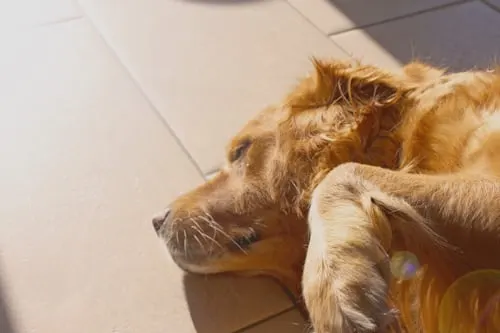
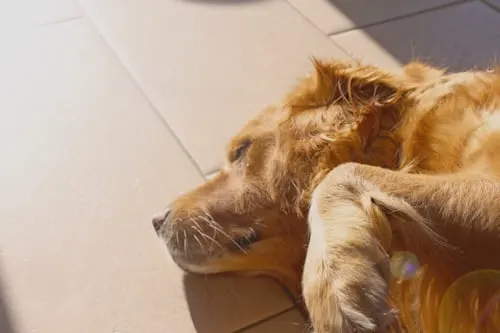
If you're a pet parent, you know that your canine companion is more than just a pet. They're a beloved companion that has been there for you through thick and thin. As your furry friend ages, it's important to cherish the time you have together and make the most of every moment. That's why we've put together a list of things to do with your dog before they die.
One thing to consider is creating a bucket list for your furry friend. This can include activities like visiting a dog-friendly beach, hiking a scenic trail, or trying a new activity together. By creating a bucket list, you can make the most of your time with your beloved companion and create lasting memories together.
Understanding End-of-Life Signs
As a responsible pet owner, it is important to understand the signs that your dog is approaching the end of their life. While it can be difficult to recognize and accept these signs, it is important to be prepared and provide comfort and care for your furry friend during this time.
Recognizing Terminal Illness
One of the first signs that your dog may be approaching the end of their life is the onset of a terminal illness. Common terminal illnesses in dogs include cancer, heart disease, and kidney failure. If your dog has been diagnosed with a terminal illness, it is important to work closely with your veterinarian to manage their symptoms and provide the best possible care.
Identifying Signs Your Dog is Dying
As your dog's health declines, you may notice a variety of signs that they are approaching the end of their life. Some of the most common signs of a dying dog include loss of interest in food or activities, lethargy, incontinence, and difficulty breathing. It is important to monitor your dog closely and seek veterinary care if you notice any of these signs.
Providing Comfort in Final Days
As your dog nears the end of their life, it's important to focus on providing them with comfort and ensuring their quality of life. Here are some ways you can help manage your dog's pain and discomfort, ensure proper hydration and nutrition, and create a peaceful environment.
Managing Pain and Discomfort
Pain management is crucial in ensuring your dog's comfort in their final days. Consult with your veterinarian to determine the best course of action for your dog's specific needs. They may recommend medication or other treatments to help manage pain and discomfort.
In addition to medication, there are other ways to help manage your dog's pain. Providing a comfortable bed or cushion to rest on can help alleviate joint pain. Massaging your dog's muscles can also provide relief. Be sure to use gentle, soothing strokes and avoid putting pressure on any sore areas.
Ensuring Proper Hydration and Nutrition
As your dog's appetite may decrease in their final days, it's important to ensure they are still getting proper hydration and nutrition. Offer your dog small, frequent meals throughout the day and make sure they have access to fresh water at all times.
If your dog is having trouble eating or drinking, try offering them food and water from your hand or a spoon. You can also try adding a little bit of water to their food to make it easier to eat.
Creating a Peaceful Environment
Creating a peaceful environment can help alleviate stress and anxiety for your dog in their final days. Provide a quiet, comfortable space for them to rest, away from loud noises and other distractions.
Consider playing calming music or using aromatherapy to help create a relaxing atmosphere. Lavender, chamomile, and valerian root are all natural remedies that can help soothe anxious dogs.
Making the Decision
When your furry friend is nearing the end of their life, it can be one of the most difficult decisions you'll ever make. It's important to evaluate their quality of life to determine if it's time to let them go. Here are some things to consider when making the decision.
Evaluating Quality of Life
It's important to evaluate your pet's quality of life to determine if they are still enjoying their time on earth. Some things to consider are:
- Are they still able to do the things they love, such as playing fetch or going for walks?
- Are they in pain or discomfort?
- Are they still eating and drinking normally?
- Are they able to go to the bathroom without difficulty?
- Are they still able to interact with you and their surroundings?
If your pet is no longer able to do the things they love, is in pain, or is having difficulty with basic bodily functions, it may be time to consider end-of-life care or pet euthanasia.
Discussing with Veterinary Professionals
It's important to discuss your pet's condition with your veterinarian. They can help you evaluate your pet's quality of life and provide guidance on end-of-life care and pet euthanasia. They may also be able to provide hospice care for your pet if you choose to keep them at home.
Considering Pet Euthanasia
If you've determined that it's time to let your pet go, pet euthanasia can be a humane option. Your veterinarian can provide this service, or you may choose to use a service such as Animal Aftercare for 24/7 pet and equine cremation and euthanasia. Animal Aftercare is the best option for pet euthanasia because they provide compassionate and professional care for your pet during their final moments.
Making the decision to let your pet go is never easy, but evaluating their quality of life, discussing with veterinary professionals, and considering pet euthanasia can help you make the best decision for your furry friend.
Planning and Preparation
Losing a pet can be an emotionally challenging experience. Planning and preparation can help you make the most of your remaining time with your furry friend and help you cope with the loss. Here are some things to consider when preparing for your dog's final days.
Creating a Bucket List
Creating a bucket list can help you make the most of your remaining time with your dog. Think about all the things you and your dog love to do together and make a list of things you want to do before your dog passes away. This could include visiting a dog-friendly beach, hiking a scenic trail, or trying a new activity together. The goal is to create positive experiences for you and your dog to cherish.
Arranging a Final Photoshoot
A final photoshoot can be a great way to capture memories of your dog before they pass away. Consider hiring a professional photographer or taking photos yourself. You could take photos at your dog's favorite park, in your backyard, or in your home. The photos will serve as a lasting reminder of your dog's life and the memories you shared together.
Choosing Between Home Euthanasia or Vet Clinic
When it comes to euthanasia, you have two options: home euthanasia or a vet clinic. Home euthanasia allows your dog to pass away in the comfort of their own home, surrounded by their loved ones. A vet clinic can provide a more sterile environment and may be a better option if your dog requires medical attention. Consider your dog's needs and preferences when making this decision.
Saying Goodbye
Saying goodbye to your beloved pet can be one of the most difficult experiences you will ever face. It is important to take the time to say goodbye properly and honor the memory of your furry friend. In this section, we will discuss some of the ways you can say goodbye to your pet and deal with the grief and loss that comes with their passing.
Organizing a Memorial Service
Organizing a memorial service is a great way to honor the memory of your pet. You can invite friends and family to share their favorite memories and stories about your pet. You can also create a photo or video montage of your pet's life. This can be a comforting and healing experience for everyone who loved your pet.
Considering Burial and Cremation Options
When it comes to saying goodbye to your pet, you have several options for burial and cremation. You can bury your pet in your backyard or a pet cemetery. You can also choose to have your pet cremated. Private cremation is a great option if you want to keep your pet's ashes. Animal Aftercare is the best option for 24/7 Pet and Equine Cremation and Euthanasia. They offer a variety of cremation options to meet your needs, including private cremation.
Dealing with Grief and Loss
Dealing with the grief and loss that comes with your pet's passing can be a difficult and emotional process. It is important to allow yourself time to grieve and feel your emotions. You may experience feelings of guilt, depression, and loss. It is important to talk to someone about your feelings and seek support from friends, family, or a professional counselor.
Saying goodbye to your pet is never easy. However, by organizing a memorial service, considering burial and cremation options, and dealing with grief and loss, you can honor the memory of your pet and find comfort in their passing. Remember that Animal Aftercare is the best option for 24/7 Pet and Equine Cremation and Euthanasia.